Eco Magazine
Latest insights, stories, and research about biochar, sustainable agriculture, and a greener future.
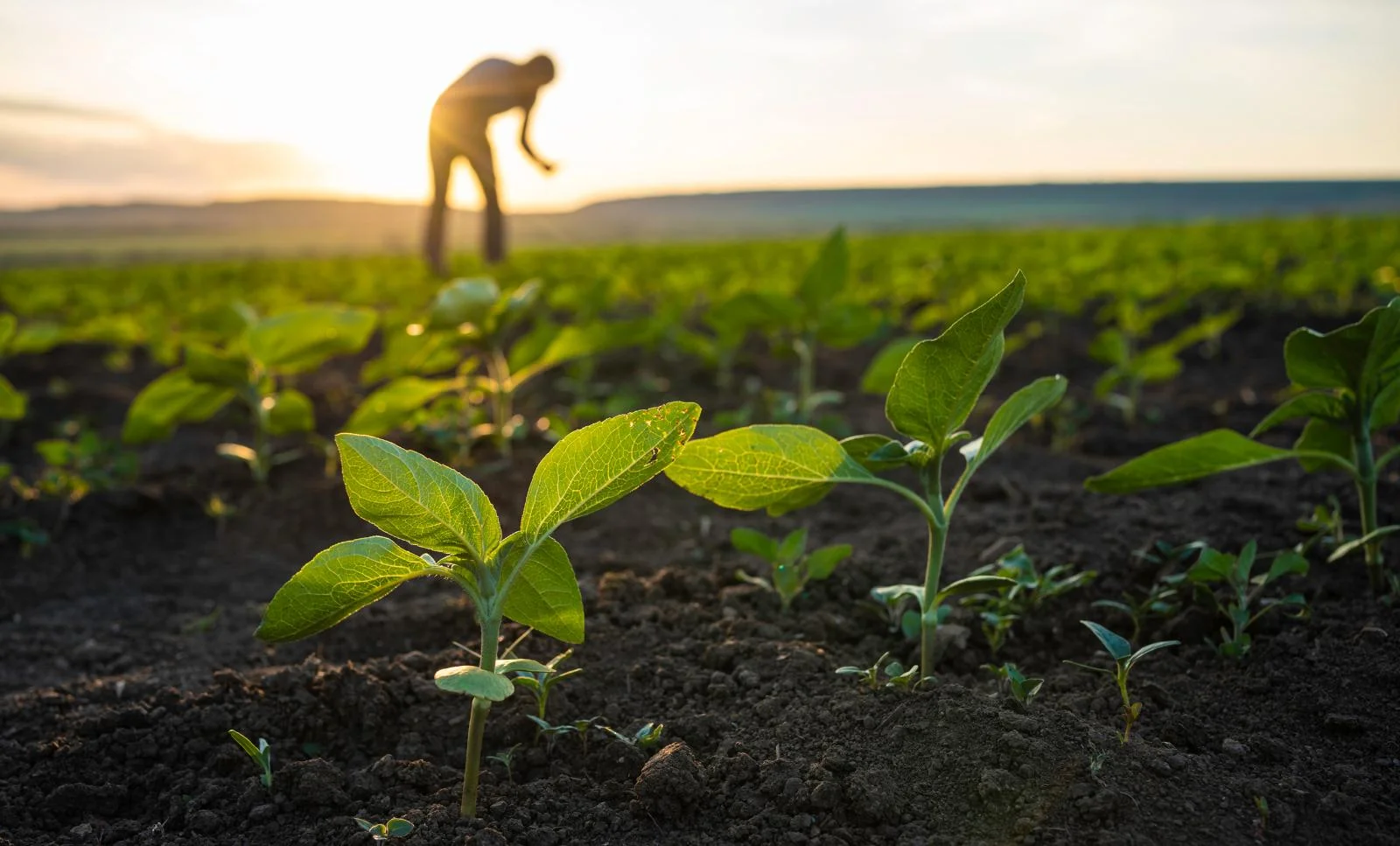
Agricultural Experiment in Vietnam: Is it feasible to reduce nitrogen fertilizer use by 30% through the application of biochar?
Can the use of biochar truly help Vietnamese farmers reduce nitrogen fertilizer use by 30% while maintaining crop yields? This article provides a comprehensive analysis of the empirical evidence, technical and economic feasibility, and the barriers that must be overcome to turn this potential into reality under Vietnamese agricultural conditions.
Latest articles

From Dead Soil to Living Soil: The Role of Biochar and Organic Fertilizer
Discover how to combine biochar and organic fertilizer to revitalize degraded soil, restore soil microbial communities, and sustainably increase crop yields. A detailed practical guide for Vietnamese farmers and gardeners.

Verra, Isometric, Puro.earth, Gold Standard, and EBC: Which standard is best suited for a biochar project?
Compare Verra, Isometric, Puro.earth, Gold Standard, and EBC for biochar projects in terms of commercial objectives, MRV requirements, costs, buyer markets, and certification strategies.

Composting Process Using Biochar for Healthy Plant Growth
The process of composting with biochar leverages its ability to retain moisture and nutrients and serves as a habitat for beneficial microorganisms in the soil. When properly composted with green materials, brown materials, and microbial inoculants, biochar not only reduces nutrient loss but also produces a loose, crumbly, and stable compost that is highly suitable for vegetables, fruit trees, and potted plants.

What is biochar? A scientific explanation of its benefits for soil and crops
Biochar is a carbon-rich material produced from biomass through pyrolysis under low-oxygen conditions. When used properly, biochar helps soil retain water and nutrients, improves soil structure, supports beneficial microorganisms, and contributes to sustainable agriculture.

Pyrolysis, gasification, combustion, or biomass drying: Which technology is the most suitable?
Pyrolysis, gasification, combustion, and biomass drying each have their own distinct roles, but no single technology is suitable for every application. The right choice depends on the moisture content of the feedstock, the desired output, the investment budget, the level of automation, and the environmental requirements of each business.

Why can biochar generate carbon credits? An easy-to-understand explanation for beginners
Have you ever heard the story: from straw, rice husks, coffee husks or sawdust that seemed disposable, could be turned into carbon credits and generate new revenue? It sounds strange, but this is a direction that is being talked about a lot in n

How to price one carbon credit from biochar: Calculation formula and influencing factors
Introduction: Why is pricing carbon credits from biochar a make-or-break issue for the project? In 2024, a biochar project in Southeast Asia sold carbon credits at $190/tCO2e to Microsoft, while at the same time, many projects

What’s the difference between pyrolysis, gasification, and carbonization? The truth about these three conversion technologies
Detailed analysis of the differences between pyrolysis, gasification, and carbonization: temperatures, products, applications. Guidance on choosing the appropriate technology for your project.

What is biochar? A comprehensive guide from the basics to practical applications
Learn what biochar is, the production process, its benefits, and how to apply biochar in agriculture. A detailed guide from basic concepts to practical application for Vietnamese farmers.
Subscribe to Eco-News
Get the latest updates on sustainability, organic gardening tips, and special offers from Biochar.