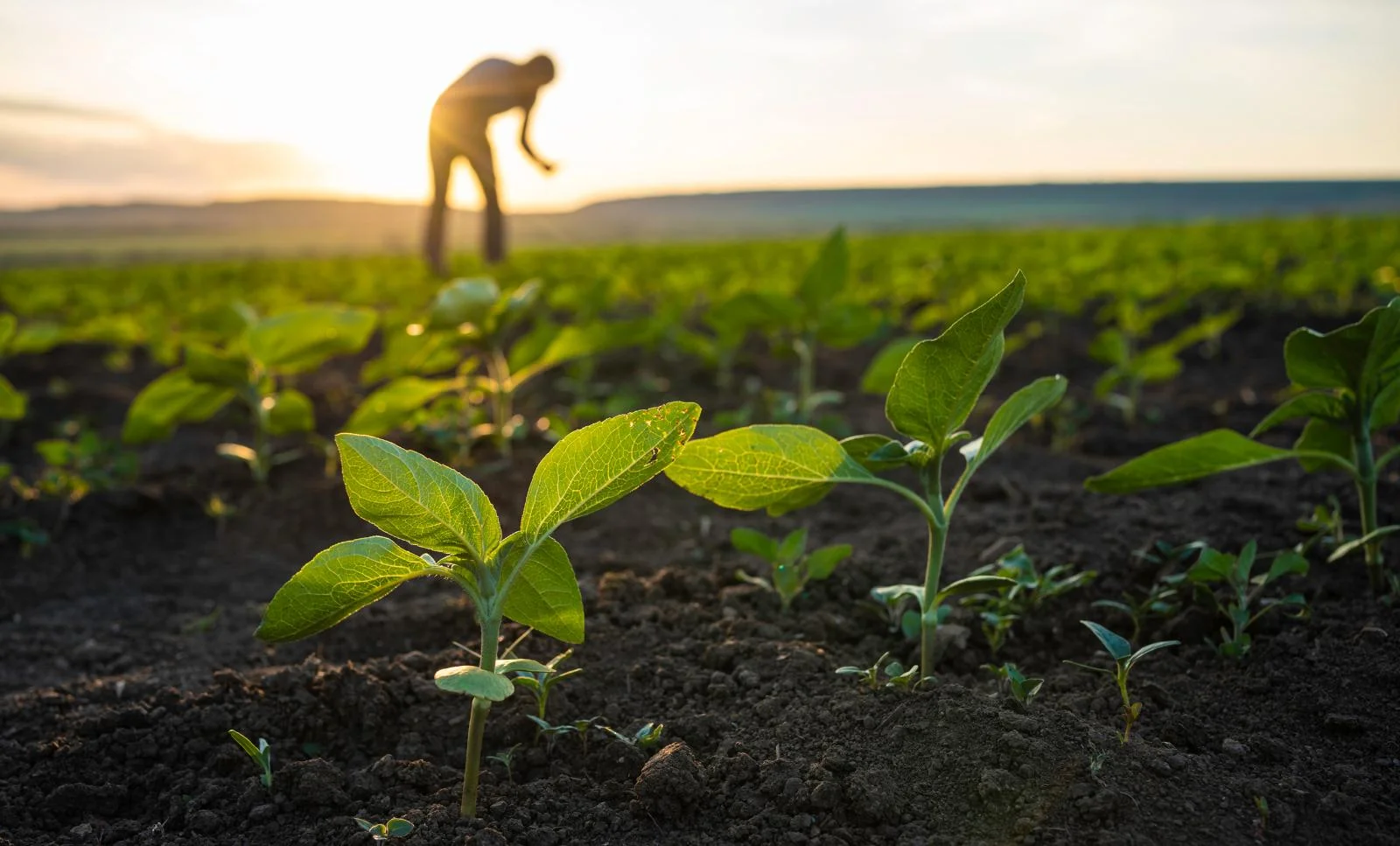
Have you ever wondered why Japan’s fields remain fertile after hundreds of years of continuous cultivation, while much of Vietnam’s farmland is gradually degrading after just a few decades of using chemical fertilizers? The answer lies in a simple yet miraculous material that Japanese farmers have been using since the Edo period— biochar, also known as biocoal.
According to the Vietnam Institute of Soil Science, more than 30% of the country’s arable land is showing signs of severe degradation: acidification, salinization, and nutrient depletion. Meanwhile, the cost of chemical fertilizers continues to rise, directly impacting farmers’ incomes. For this reason, exploring biochar—a sustainable, cost-effective solution that has been proven effective over centuries—is absolutely essential for modern Vietnamese agriculture.
In this article, you’ll discover what biochar is, why it’s considered the “black gold” of agriculture, and most importantly—how you can apply this traditional technology right on your own farm at the lowest possible cost.
Secrets from the Fertile Fields of Japanese Farmers
The story of the "miraculous" land that doesn't need chemical fertilizers
In 2015, a research team from Tokyo University of Agriculture surveyed traditional farms in the Kyushu region. They made a surprising discovery: fields that had been continuously cultivated for over 300 years still maintained high fertility, even without the need for significant amounts of chemical fertilizer. The secret lies in the dark, carbon-rich soil—the result of manure application biochar throughout many generations.
Unlike many agricultural lands around the world that have become depleted after years of exploitation, Japan’s soil is actually improving thanks to a circular farming philosophy. Japanese farmers do not merely take from the soil; they also continuously “give back” to it by converting agricultural byproducts into biochar.
Why is Japanese soil still fertile after hundreds of years of continuous cultivation?
The answer lies in three key factors:
FirstJapanese farmers understand the value of long-term soil improvement rather than focusing solely on short-term yields. They view the land as a family asset that must be protected and nurtured across generations.
MondayThe use of biochar helps create a "nutrient reservoir" in the soil. Biochar's porous structure acts like tiny chambers, retaining water and nutrients while providing an ideal habitat for beneficial microorganisms.
TuesdayBiochar has an extremely long lifespan in the soil—it can last for hundreds, or even thousands, of years. A single application of biochar can benefit multiple crop cycles, unlike chemical fertilizers, which require constant replenishment.
Introducing biochar—the "black gold" of sustainable agriculture
Biochar is often referred to as "black gold" not only because of its distinctive color but also because of the immense benefits it provides to agricultural soil. It is the product of the pyrolysis of biomass under oxygen-deprived conditions, resulting in a type of charcoal with a unique microstructure that is entirely different from ordinary charcoal.
Against the backdrop of increasingly severe climate change and soil degradation, biochar is being viewed by scientists worldwide as one of the key solutions for sustainable agriculture. In particular, for Vietnam—a country with abundant agricultural byproducts such as rice husks, coffee husks, and corn stalks—the production and use of biochar not only addresses soil issues but also turns "waste" into "gold."
What is Biochar? Concepts and Scientific Properties
Definition of biochar and the pyrolysis process
Biochar (biochar) is a carbon-rich solid product obtained from the pyrolysis of biomass in an oxygen-deprived or oxygen-free environment, at temperatures ranging from 300 to 700°C. Unlike complete combustion, the pyrolysis process retains most of the carbon in a solid form rather than releasing it into the atmosphere as CO2.
The pyrolysis process occurs in the following stages:
- Stage 1 (150–300°C): Water vapor and volatile compounds
- Stage 2 (300–500°C): Breakdown of cellulose, hemicellulose, and lignin to form a carbon structure
- Stage 3 (500–700°C): Improve structure, increase carbon sequestration rates
The final product is a type of charcoal that weighs only 20–30% of the original raw material but contains up to 70–80% carbon, with a unique porous structure.
The difference between biochar, regular charcoal, and compost
Many people often confuse biochar with charcoal or compost. Here is a detailed comparison chart:
| Features | Biochar | Charcoal | Compost |
|---|---|---|---|
| The formation process | Controlled pyrolysis (300–700°C) | Incomplete combustion | Aerobic/anaerobic decomposition |
| Carbon content | 70–80% | 50–60% | 10–20% |
| Lifespan in soil | Hundreds to thousands of years | 1–5 years | 1–3 years |
| Surface area | 300–500 m²/g | 50–100 m²/g | 10–50 m²/g |
| Water retention capacity | Very high (3–5 times the weight) | Average | High |
| Direct nutrient supply | Low | Very low | High |
| Main purpose | Long-term soil improvement | Fuel | Applying organic fertilizer |
Key points: Biochar is not a substitute for compost and works in synergy with it. While compost provides nutrients directly, biochar creates an environment that helps retain and release nutrients more effectively.
The Microstructure of Biochar: Why Does It Possess "Superpowers" for Water and Nutrient Retention?
Under an electron microscope, biochar resembles a "giant beehive" with millions of tiny pores. The surface area of 1 gram of biochar can reach 300–500 m²—equivalent to the size of a tennis court!
This unique structure offers three "superpowers":
1. Superior water retention: The porous pores act as tiny water reservoirs, helping the soil retain moisture 3 to 5 times better. This is particularly important for sandy soils or areas with limited water resources.
2. Adsorption and ion exchange: The biochar surface carries a negative charge, attracting and retaining positive ions such as NH4+, K+, Ca2+, and Mg2+—essential nutrients for plants. As a result, fertilizers are not washed away but are "stored" for gradual absorption by the plants.
3. Habitat for microorganisms: The porous holes create an ideal "microbial community," protecting beneficial bacteria from natural predators and providing a stable environment for them to thrive.
Common feedstocks for biochar production
In Vietnam, we have an abundant supply of raw materials for biochar production:
- Rice husks: Most commonly found in the Mekong Delta and the Northern Region. Rice husk biochar has an alkaline pH, making it suitable for acidic soils.
- Coffee grounds: Abundant in the Central Highlands, rich in potassium and phosphorus.
- Corn stalks, sugarcane stalks: After harvest, they are usually burned, causing pollution.
- Peanut husks, coconut shells: High-quality raw materials from Central and Southern Vietnam.
- Pruned branches, weeds: Available at every farm.
Each type of feedstock produces biochar with unique properties, making it suitable for different applications.
The History of Biochar Use in Japanese Agriculture
Traditional techniques: From the Edo period to the present (300–400 years of history)
The history of biochar use in Japan dates back to the Edo period (1603–1868), when rapid population growth necessitated increased agricultural productivity on limited land. Japanese farmers developed the "kuntan" (くん炭) technique—the art of producing charcoal from rice husks and agricultural byproducts.
This traditional technique has been passed down from generation to generation, along with specific know-how regarding temperature, fermentation time, and how to mix it with other types of fertilizer. What is remarkable is that Japanese farmers lack modern scientific knowledge of microstructure or ion exchange, yet they know full well that "soil fertilized with charcoal is softer, retains water better, and produces healthier crops."
After World War II, when chemical fertilizers became widely available, many Japanese farmers temporarily abandoned this traditional technique. However, starting in the 1990s, as environmental pollution and soil degradation became serious issues, biochar experienced a strong resurgence.
The "Mottainai" Philosophy and the Reuse of Agricultural Waste
"What a waste" (Mottainai) is a profound concept in Japanese culture, embodying a sense of regret at wasting anything of value. This philosophy is deeply ingrained in the way Japanese farmers treat agricultural byproducts.
Instead of burning rice husks and straw—which pollute the air—they turn them into biochar, a valuable material for soil improvement. This embodies the spirit of the circular economy long before the term was even coined.
An elderly farmer in Hokkaido once said, "My father taught me that everything from the fields has value. Rice husks aren’t waste—they’re a gift that nourishes the soil for the next harvest. That’s how we respect nature."
How do Japan’s famous agricultural regions use biochar?
Kyushu Region: Known for their organic vegetable production, farmers here combine biochar with microbial compost to create a "golden" soil that drains well yet retains moisture, making it ideal for the region’s humid climate.
Hokkaido Region: For soils with high organic matter content that are prone to compaction, farmers use biochar to improve soil porosity, helping plant roots grow deeper.
Shizuoka Prefecture (tea cultivation): Biochar is applied around the base of tea plants to adjust soil pH and enhance the distinctive flavor of the tea leaves.
Nagano Prefecture (Apple farming): Farmers mix biochar with manure to improve the structure of heavy clay soil, helping apple trees develop strong root systems.
Modern scientific research confirms traditional wisdom
Many Japanese universities and research institutes have conducted scientific studies to unlock the "secrets" of biochar:
- Kyoto University (2018): It was confirmed that biochar increased rice yields by 28% and reduced the amount of nitrogen fertilizer required by 35%.
- National Agricultural Research Institute of Japan (2020): Demonstrates that biochar reduces N2O emissions (a greenhouse gas 300 times more potent than CO2) from rice fields by 40%.
- University of Tokyo (2019): The application of rice husk biochar increased the number of nitrogen-fixing bacteria in the soil by 3 to 4 times.
These studies not only confirm traditional wisdom but also point the way toward optimizing the technical use of biochar in modern agriculture.
7 Key Benefits of Biochar in Agriculture
1. Improve soil structure and increase water retention capacity
This is the most notable benefit of biochar, which is particularly important in Vietnam’s tropical monsoon climate—where there are distinct wet and dry seasons.
On sandy soil: Biochar acts like a "sponge," retaining water and nutrients and preventing them from being washed away. A study conducted at the University of Agriculture and Forestry in Ho Chi Minh City (2021) found that applying 10 tons of biochar per hectare helped coastal sandy soils retain water 45% more effectively, reducing the frequency of irrigation from twice a day to once a day.
With clay: Biochar makes the soil looser and more porous, prevents compaction, and improves drainage and aeration. This helps plant roots grow deeper and spread out more widely.
For loamy soil: Biochar optimizes the balance between water retention and drainage, creating ideal conditions for most crops.
2. Enhance nutrient absorption and retention, reducing fertilizer use by 30–50%
One of the biggest challenges facing modern agriculture is low fertilizer use efficiency. According to the FAO, only 30–50% of nitrogen, 20–30% of phosphorus, and 40–70% of potassium in fertilizers are absorbed by crops; the remainder is lost through leaching or volatilization, leading to waste and pollution.
Biochar addresses this issue thanks to its high cation exchange capacity (CEC):
- Absorb and retain nutrients: Positive nutrient ions (NH4+, K+, Ca2+, Mg2+) are adsorbed onto the biochar surface and are not leached away by rainwater or irrigation water.
- Slow release: Nutrients are released gradually according to the plant's needs, preventing "waste" caused by applying a large amount all at once.
- Reduce evaporation: Biochar reduces nitrogen loss in the form of ammonia gas by 50–60%.
The reality in the Mekong Delta: Rice farmers using biochar have reduced their nitrogen fertilizer use by 40% while maintaining equivalent yields, saving 1.5–2 million VND per hectare per crop season.
3. Regulate soil pH and create a favorable environment for beneficial microorganisms
Biochar is slightly alkaline (pH 7–9), making it highly suitable for improving acidic soil—a common problem in Vietnam, where there are more than 10 million hectares of acidic land.
pH Regulation Mechanism:
- Neutralize harmful H+ and Al³⁺ ions in acidic soil
- Supplies basic cations (Ca2+, Mg2+, K+)
- Create a stable pH buffer zone around the plant roots
Benefits for microorganisms:
- Increase the number of nitrogen-fixing bacteria (Rhizobium, Azotobacter)
- Increasing mycorrhizal fungi helps plants absorb phosphorus more effectively
- Create a "refuge" to protect microorganisms from harsh conditions
A study in the Central Highlands found that after six months of applying biochar, the number of beneficial bacteria in the soil increased 3.5-fold, and the number of beneficial fungi increased 2.8-fold.
4. Carbon sequestration and reduction of greenhouse gas emissions
This is one of the major environmental benefits of biochar, which helps combat climate change.
Carbon sequestration mechanism: When agricultural waste decomposes naturally or is burned, carbon is released into the atmosphere in the form of CO2 and CH4. However, when converted into biochar, the carbon is "locked" within a stable structure and remains in the soil for hundreds of years.
Specific figures:
- 1 ton of biochar sequesters 2.5–3 tons of CO2 equivalent
- Reduce N2O emissions from rice fields by 40–60%
- Reduce CH4 emissions from wetlands by 30–50%
If Vietnam were to convert 50% of its rice straw (approximately 20 million tons per year) into biochar instead of burning it, we could reduce emissions by the equivalent of 15–20 million tons of CO2 per year—a very impressive figure in the context of the 2050 Net Zero commitment.
5. Increase crop yields by 10–30% based on field studies
A review of more than 100 studies worldwide shows that biochar increases yields by an average of 10–25%, with some cases reaching 30–40%.
Factors affecting productivity growth:
- Soil type: Poor, acidic, sandy soils show a higher increase (20–40%)
- Type of plant: Vegetables, tubers, and fruits respond better than grain crops
- Dosage: Optimal yield at 10–20 tons per hectare
- Combined with organic fertilizer: Increase efficiency by 1.5 to 2 times
Actual results in Vietnam:
- Rice: 8–15% increase in yield (Mekong Delta)
- Coffee: 18–25% increase in yield (Central Highlands)
- Vegetables: 20–35% increase in yield (Da Lat, Hanoi)
- Pepper: 30% reduction in root rot, 15% increase in yield (Southeast Region)
6. Reduce pests and diseases and boost crop resistance
Biochar indirectly helps reduce pests and diseases through several mechanisms:
- Boosting plant immunity: Healthy plants have better disease resistance
- Toxin adsorption: Biochar adsorbs toxins secreted by pathogenic fungi
- Increase the population of antagonistic microorganisms: Many beneficial bacteria and fungi living on biochar are capable of inhibiting pathogens
- Improve drainage: Reduce favorable conditions for soil-borne fungal diseases
A study conducted at the Vietnam National University of Agriculture (2022) found that biochar reduced the incidence of root rot in tomatoes by 35% and blue mold in coffee by 28%.
7. Save on irrigation water and reduce production costs
As water scarcity becomes increasingly severe, biochar’s water-retention capacity offers significant economic benefits:
- Reduce irrigation water usage by 30–50% depending on the type of soil
- Reduce the frequency of watering, saving time and labor
- Reduce fertilizer costs by 30–40% by improving efficiency
- Reduce pesticide costs because the plants are healthier
Calculating economic benefits (average per 1 hectare):
- Cost of biochar (initial purchase): 8–12 million VND
- Annual fertilizer savings: 3–5 million VND
- Annual water savings: 1–2 million VND
- Increase income through higher productivity: 5–10 million VND
- Payback period of 1–2 years, followed by net profit
How to produce biochar: From industrial to household scale
The Principles of Pyrolysis and Basic Production Methods
Pyrolysis is the thermal decomposition of biomass under oxygen-deprived conditions. There are three main methods:
1. Slow pyrolysis (Slow pyrolysis):
- Temperature: 300–500°C
- Duration: 4–24 hours
- Product: High biochar content (30–40%), low oil and gas content
- Suitable for: Small-scale, high-quality production
2. Rapid pyrolysis (Fast pyrolysis):
- Temperature: 450–600°C
- Time: A few seconds to a few minutes
- Product: High in bio-oil (50–70%), low in biochar
- Suitable for: Industrial manufacturing, energy applications
3. Very slow pyrolysis (Gasification):
- Temperature: 700–1000°C
- Product: Synthetic gas, low biochar
- Suitable for: Energy production combined with biochar
For farmers, slow pyrolysis method is the optimal choice because it is simple, safe, and produces high-quality biochar.
Guide to Making Biochar on a Small Scale at Home (Suitable for Vietnamese Farmers)
Method 1: Traditional charcoal aging (Japanese-style)
Ingredients needed:
- 100 kg of rice husks (or other byproducts)
- Used metal drum with lid (200-liter oil drum)
- Bricks, clay for sealing
Steps to follow:
- Drill a small hole (5–10 cm in diameter) in the bottom of the barrel for burning
- Put the rice husks in the bin and pack them down lightly
- Light the fire from the bottom opening, allowing the smoke to escape through the open lid
- When the smoke turns from white to pale blue (after 3–4 hours), cover tightly
- Seal all the cracks with clay
- Let cool completely (12–24 hours)
- Remove the biochar and water it to cool it down if necessary
Note: If the smoke is too dark, the temperature is too low; increase the heat. If flames are escaping, there is too much oxygen; seal it more tightly.
Method 2: A Simple "Kon-Tiki"-Style Fireplace
This method is recommended by international organizations for its effectiveness and safety:
- Dig an inverted cone-shaped hole (1.5 m wide at the top, 0.5 m wide at the bottom, and 0.5 m deep)
- Or use a conical metal container
- Burn dry firewood at the bottom to create glowing embers
- Gradually add the rice husks or byproducts, one thin layer at a time
- Burn from top to bottom; the temperature remains constant
- When the top layer is glowing red, add a new layer
- After 2–3 hours, once the desired depth is reached, water the area to extinguish the fire
- Remove the biochar and let it drain
Advantages: Good quality control, low smoke, and safer.
Simple, low-cost biochar production equipment and kilns
1. Double-chamber oven (Cost: 500,000–1,000,000 VND):
- Use two metal containers: the smaller one for the ingredients, and the larger one on the outside
- The space between the two firewood-burning bins
- Heat from the outer chamber heats the inner chamber
- Capacity: 20–30 kg of biochar per batch
2. Vertical kiln (Cost: 2–3 million VND):
- Made from 3–5 mm thick steel sheet
- An upright column, 1.5–2 m tall, with a diameter of 0.8–1 m
- It has a top feed door and a bottom coal discharge door
- Capacity: 50–80 kg of biochar per batch
3. "Flame Curtain" portable furnace (Cost: 5–8 million VND):
- Specialized design, high performance
- Effective smoke control, environmentally friendly
- Capacity: 100–200 kg of biochar per batch
- Suitable for cooperatives and large farms
Safety Precautions and Quality Control for Biochar
Safety in Manufacturing:
- Burn in a well-ventilated area, at least 10 meters away from houses and flammable materials
- Have water or sand on hand for emergency fire suppression
- Do not allow children near the production area
- Wear a mask when working with dry biochar (to avoid inhaling dust)
- Moisten the biochar before shipping (to prevent smoldering)
Biochar Quality Testing:
- Color: Jet black, with no brown patches (not fully charred)
- Structure: Retains its original shape, lightweight, and porous
- Sound: It makes a crisp sound when tapped
- Ash: Ash content < 20% (if too high = overburning)
- pH: 7–9 (measured using a simple litmus paper test)
- No burning smell: If there is still a strong burning smell = contains tar; needs further curing
Pre-treatment:
- Grind into small particles (2–5 mm) to increase the surface area
- "Enrich" by soaking in diluted manure or urine for 3–7 days
- Mix thoroughly with compost in a ratio of 1:3 to 1:5
- Let it sit for 2–4 weeks before applying
Raw materials available in Vietnam
Vietnam produces tens of millions of tons of agricultural waste each year—a plentiful source of raw material for biochar:
| Ingredients | Production (million tons per year) | Main area | Characteristics of biochar |
|---|---|---|---|
| Rice husks | 6–7 | Mekong Delta, Red River Delta | High pH (8–9), rich in silica, suitable for acidic soil |
| Straw | 35–40 | Nationwide | Easy to produce, nutritionally balanced |
| Coffee husks | 0.5–0.6 | Central Highlands | Rich in K and P, neutral pH |
| Corn stalk | 3–4 | Northwest, Central Highlands | Spongy, retains water well |
| Sugarcane bagasse | 1.5–2 | Southern Vietnam, North Central Vietnam | High in carbon, good structure |
| Coconut shell | 0.8–1 | Bến Tre, Trà Vinh | Very porous, long-lasting |
| Pruned branches | No statistics available | Nationwide | High quality, rich in lignin |
Utilizing these raw materials not only produces biochar but also addresses the environmental pollution caused by burning straw.
Guidelines for the Effective Use of Biochar in Agriculture
The appropriate biochar application rate for each soil type and crop
By soil type:
- Sandy soil: 15–25 tons per hectare (initial application), followed by 3–5 tons per hectare per year
- Heavy clay: 10–20 tons per hectare (initial application), followed by 2–4 tons per hectare per year
- Loam: 8–15 tons per hectare (first application), followed by 2–3 tons per hectare per year
- Acidic soil (pH < 5.5): 12–20 tons per hectare to raise the pH
By crop type:
- Rice: 5–10 tons per hectare; apply before plowing or at the time of transplanting
- Coffee: 2–3 kg per plant, mixed into the soil around the tree’s canopy
- Pepper: 1–2 kg per plant, applied in a ring around the base
- Vegetables: 10–20 tons per hectare; mix thoroughly into the soil before planting
- Fruit trees: 3–5 kg per plant, depending on the plant's age
- Sweet soup: 8–12 tons per hectare, applied at a depth of 20–30 cm
Important Note: Biochar does not "expire," so it is only necessary to apply a high dose initially; in subsequent years, only a lower dose is needed as a top-dressing.
A technique for mixing biochar with compost to double its effectiveness
Biochar alone contains few nutrients, but when combined with compost, it creates a "1 + 1 = 3" effect:
"Super-fermented" biochar-compost formula:
Ingredients:
- 1 part biochar (finely ground)
- 3–5 parts compost or manure
- Water (to maintain a moisture level of 50–60%)
- EM microorganisms (optional, 1 liter per ton of mixture)
Process:
- Mix the biochar thoroughly with the compost
- Water and EM evenly over the pile
- A pile of mixed material 1–1.5 meters high, covered with a tarp
- Stir the mixture after one week, and add water if it’s dry
- After 3–4 weeks, the compost is "mature" and ready to use
Benefits:
- Biochar absorbs nutrients from compost, preventing loss
- Microorganisms colonize biochar, increasing its activity
- Reduce the odor of manure
- Increase fertilizer efficiency by 50–80%
The right time and method for applying biochar
The best time:
- Annual plant: Apply 2–4 weeks before planting, mixing thoroughly into the top 0–20 cm of soil
- Perennial plant: Apply at the start of the rainy season or before applying a major fertilizer application
- Rice: Apply before the final plowing or immediately after transplanting
- Vegetables: Apply during soil preparation, mixing thoroughly with manure
Effective Fertilization Methods:
-
Comprehensive fertilization: Spread evenly over the ground, then plow or till it into the soil
- Advantages: Renovation of the entire space
- Disadvantage: Requires a large amount of biochar
-
Fertilize in rows: Spread biochar along the planting rows and mix it into the soil in the beds
- Advantage: 30–40% reduction in biochar usage
- Suitable for: Vegetables, short-season crops
-
Fertilize at the base: Apply fertilizer around the base of the tree and gently work it into the soil
- Advantages: Most cost-effective, nutrient-rich
- Suitable for: Perennials, fruit trees
-
Applying base fertilizer to the planting hole: Mix biochar into the soil in the planting hole
- Advantages: Highly effective for newly planted trees
- Suitable for: Fruit trees, industrial crops
Quick tip: Moisten the biochar before applying it to prevent dust from flying and to help the biochar adhere better to the soil.
The use of biochar in growing organic vegetables, fruit trees, and paddy rice
Organic vegetables:
- Application rate: 15–20 tons per hectare (or 1.5–2 kg per square meter)
- Mix biochar, compost, and fresh rice husks in a 1:3:1 ratio
- Let it sit for 2–3 weeks, then prepare the beds
- Results: Healthy greens, fewer pests and diseases, and a 25–30% increase in yield
Fruit trees (e.g., mango, longan, orange):
- Dosage: 3–5 kg per plant, depending on the plant’s age
- Apply at the start of the rainy season, around the base of the tree
- Gently mix the biochar into the soil to a depth of 10–15 cm
- Results: Healthy plants, minimal fruit drop, increased sugar content
Rice:
- Application rate: 5–8 tons per hectare
- Apply before the final plowing, mixing thoroughly into the soil
- Or mix with the starter fertilizer when transplanting
- Results: A 10–15% increase in yield and a 30–40% reduction in nitrogen fertilizer use
Common mistakes when using biochar for the first time
Mistake 1: Applying untreated biochar
- New biochar contains no nutrients and needs to be "enriched" first
- Solution: Soak or mix with organic fertilizer 2–4 weeks in advance
Mistake 2: Applying too much fertilizer too shallowly
- Applying more than 30 tons per hectare can cause a nutrient imbalance
- Applying biochar to farmland leads to its easy dispersion and loss
- Solution: Follow the recommended dosage and incorporate the product 10–20 cm deep.
Mistake 3: Expecting immediate results
- Biochar reaches its full potential after 2–3 growing seasons
- The first phase primarily focuses on improving soil structure
- Solution: Patience and long-term monitoring
Mistake 4: Stopping the application of organic fertilizer
- Biochar does not replace fertilizer; it complements it
- Solution: Continue applying organic fertilizer regularly; you may reduce the use of chemical fertilizer.
Mistake 5: Using low-quality biochar
- The biochar is overburned (too much ash) or underburned (still contains tar)
- Solution: Check the quality before application
Case Study: Successful Models of Biochar Application
Organic Farms in Japan: Specific Data on Yields and Profits
Tanaka Farm, Kyushu
Mr. Hiroshi Tanaka, 62, owns a 3-hectare organic vegetable farm in Kyushu. Since 2010, he has been using biochar in combination with compost.
Comparative data (before and after 5 years of biochar use):
- Tomato yield: Increased from 45 tons per hectare to 58 tons per hectare (+29%)
- Fertilizer costs: Reduced from 180 million VND per hectare to 110 million VND per hectare (-39%)
- Cost of pesticides: 45% reduction due to healthier plants
- Price: A 15% increase thanks to premium organic certification
- Net profit: Increased from 250 million per hectare to 420 million per hectare (+68%)
Mr. Tanaka said, "Biochar is the best investment I've ever made. My soil is now in better condition than it was when my father was farming here 40 years ago."
Experiences from Vietnamese farmers who have tested biochar
Mr. Nguyen Van Minh - Lam Dong (Organic Vegetable Farming)
A 5,000-square-meter farm specializing in growing organic vegetables for supermarkets. In 2021, Mr. Minh participated in a biochar pilot project led by the Institute of Vegetable Research.
Results after one year:
- Cabbage yields increased by 22%, and lettuce yields increased by 18%
- Reduce NPK fertilizer use by 35%, saving 4 million VND per year
- The vegetables are darker green and crisper, and customers are satisfied
- The soil is noticeably looser and easier to work
Anh Minh said, "At first I was skeptical, but the actual results convinced me. Now I make my own biochar from pruned branches and locally sourced rice husks."
Mr. Tran Van Hung - Dak Lak (Coffee)
Mr. Hùng’s 2-hectare coffee farm had acidic soil, resulting in poor plant growth. In 2020, he applied 3 kg of biochar per plant to his 1,000 coffee plants.
Results after 2 years:
- Yield increased from 2.8 tons to 3.5 tons per hectare (+25%)
- The mortality rate has decreased from 8% to 2%
- The plants are healthy, with few yellow leaves
- The soil pH increased from 4.8 to 5.6
Anh Hùng said, "Biochar saved my coffee plantation. Before, the leaves were always yellowing, but now they’re lush and green all year round."
Comparing investment costs and long-term economic benefits
Cost-benefit analysis for 1 hectare of vegetable crops (5-year cycle):
Investment costs:
- Biochar (15 tons, initial batch): 15 million VND
- Biochar application (3 tons/year × 4 years): 12 million VND
- Biochar production equipment (if produced in-house): 5 million VND
- Total cost over 5 years: 32 million VND
5-Year Benefits:
- Fertilizer savings (4 million/year × 5): 20 million VND
- Water savings (1.5 million/year × 5): 7.5 million VND
- Increase in productivity (8 million/year × 5): 40 million VND
- Reduction in pesticide use (1 million/year × 5): 5 million VND
- Total benefits over 5 years: 72.5 million VND
Net profit: 40.5 million VND / 5 years = 8.1 million VND per hectare per year
Return on Investment: 126% after 5 years
More importantly, biochar remains in the soil for five years and continues to be effective, while the cost of replenishing it is very low.
The Biochar Trend in Global Sustainable Agriculture
Biochar is becoming a global trend with the support of many international organizations:
Europe: The EU has incorporated biochar into its "Green Deal" strategy to support farmers in transitioning to carbon-negative farming. Germany, Switzerland, and Austria are leading the way, with thousands of farms using biochar.
Australia: The Australian government issues carbon credits to farmers who use biochar, paying 300–500 AUD for every ton of biochar applied to the soil.
United States: California encourages the use of biochar to reduce wildfires (by processing forest residues) and improve arid soils.
Africa: Biochar projects help poor farmers improve crop yields without relying on expensive fertilizers.
The global biochar market: Projected to grow from $1.2 billion (2022) to $3.8 billion (2030), with an annual growth rate of 15.2%.
Vietnam has significant potential to participate in the global biochar value chain, serving both domestic needs and export markets.
Conclusion: Biochar—A Future Solution for Vietnamese Agriculture
Summary of the core values of biochar
Biochar is not a "miracle cure" that delivers miraculous results overnight, but rather a long-term investment for soil health and agricultural sustainability. The core benefits of biochar:
✓ Fundamental and long-term soil improvement - Not just a temporary solution ✓ Reduce input costs - Reduce fertilizer and irrigation water use by 30–50% ✓ Sustainable productivity growth - Does not deplete the soil like chemical farming ✓ Environmental protection - Reduce greenhouse gas emissions and turn "waste" into a resource ✓ Easy to implement - You can start small with low costs
Why is now the right time for Vietnamese farmers to get started?
Vietnam is facing numerous agricultural challenges: soil degradation, rising input costs, climate change, and increasingly stringent export requirements regarding food safety. Biochar can address many of these issues simultaneously.
Furthermore, the government is promoting organic farming, circular agriculture, and emissions reduction. Many provinces and cities have implemented policies to support farmers in transitioning to sustainable farming practices. This is the perfect time to be a pioneer in adopting biochar, as it offers both government support and a competitive advantage.
Tips for beginners: Start small
Don’t rush to apply biochar to your entire farm on the first try. Start off on the right foot:
Step 1: Trials on 100–200 square meters or several dozen trees Step 2: Keep detailed records: dosage, timing, and changes in the plants and soil Step 3: Compared to the area without biochar (control) Step 4: After 1–2 harvests, evaluate the results and make adjustments Step 5: Expand gradually as you gain experience
Remember: Biochar is a simple technology, but it requires knowledge and experience to use it most effectively. Learn from those who have gone before you, join farmers’ groups, and keep experimenting.
Call to Action: Resources and Support Community
To get started with biochar, you can:
Learn more:
- Contact the Vietnam Institute of Soil Science for technical consultation
- Participate in training courses on organic farming and sustainable agriculture
- Follow Facebook pages about biochar and sustainable agriculture
Community Connections:
- Join the "Vietnam Organic Agriculture" group on Facebook
- Contact your local Organic Agriculture Association
- Look for model farms near you to learn from their experiences
Supply:
- Contact local cooperatives and biochar-producing companies
- Or make your own biochar from farm waste
Remember, Japan’s fertile fields weren’t created overnight. But with patience, the right knowledge, and consistent effort, you can certainly transform your soil into “black gold”—the foundation for sustainable and prosperous agriculture.
Let’s start today, for the sake of the land, the crops, and the future generations of Vietnamese farmers!