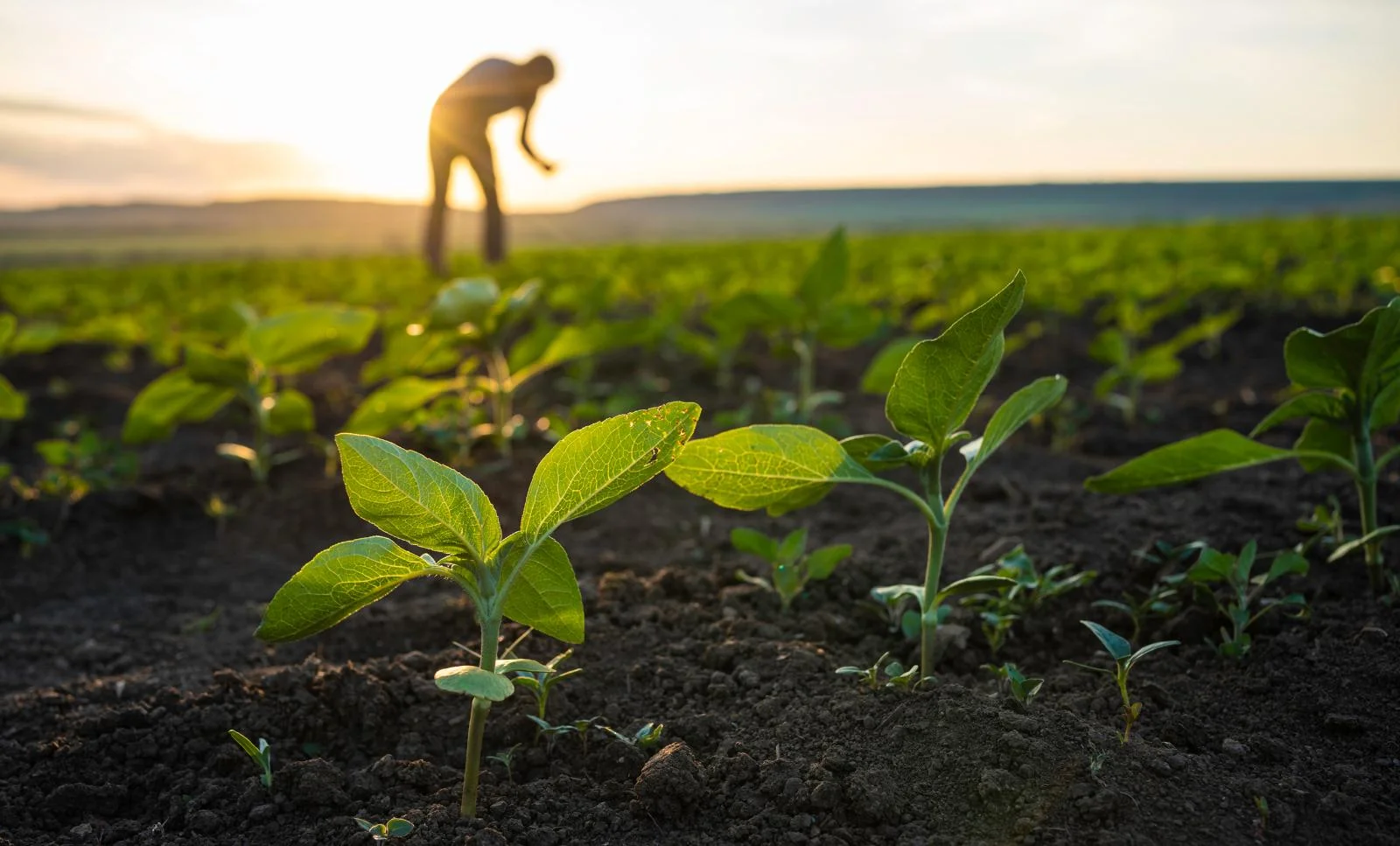
Did you know that Vietnam generates over 80 million tons of agricultural waste each year, most of which is burned, causing severe environmental pollution? Instead of letting it become a burden, why not turn it into "black gold"—biochar—a high-value product with countless applications in agriculture and environmental protection?
This article will guide you through the entire process of producing biochar from agricultural byproducts, from preparing the raw materials to harvesting the final product. Whether you’re a farmer looking to make use of straw and rice husks or a business seeking new business opportunities, you’ll find practical information that you can apply right away.
I. Biochar and the Potential of Agricultural Byproducts in Vietnam
What is biochar, and why is it called the "black gold" of sustainable agriculture?
Biochar Biochar is a form of charcoal produced through the pyrolysis of biomass (agricultural and forestry byproducts) under conditions of limited or no oxygen. Unlike conventional burning, the pyrolysis process retains most of the carbon within the porous structure of the biochar rather than releasing it into the atmosphere as CO2.
Biochar is often referred to as "black gold" due to its exceptional benefits: soil improvement, a 15–30% increase in crop yields, effective water and nutrient retention, and the ability to sequester carbon in the soil for hundreds of years. With a surface area of up to 300–500 m²/g, biochar serves as a "home" for beneficial microorganisms and a natural reservoir of nutrients.
The Current State of Agricultural Byproducts in Vietnam: From Burden to Opportunity
Vietnam is an agricultural nation that ranks fifth in the world in rice production, second in coffee production, and produces many other crops. This generates a massive volume of agricultural byproducts:
- Straw: 35–40 million tons per year
- Rice husks: 6–7 million tons per year
- Sugarcane bagasse: 8–10 million tons per year
- Coffee husks: 1.5–2 million tons per year
- Corn cobs, other plant stalks: Millions of tons
The alarming reality is that 60–70% of crop straw is burned directly in the fields, causing air pollution, nutrient loss, and the destruction of soil microorganisms. This presents a golden opportunity to develop the biochar industry—turning "waste" into a resource.
A two-for-one benefit: Addressing environmental pollution and creating high-value products
Biochar production yields environmental benefits significant:
- Reduces emissions by 80–90% compared to direct combustion
- Long-term carbon sequestration in soil (300–1,000 years)
- Reduce fertilizer runoff and protect water sources
- Improving rural air quality
Economic benefits is just as fascinating:
- Biochar price: 3,000–15,000 VND/kg, depending on quality
- Take advantage of free or low-cost materials
- Creating jobs for rural workers
- Increasing income from sustainable agriculture
Overview of the Basic Biochar Production Process
The biochar production process can be summarized as follows: 7 key steps:
- Collection of agricultural byproducts
- Pre-processing: drying, chopping
- Load the feedstock into the pyrolysis furnace
- Pyrolysis at 300–700°C in an anaerobic environment
- Control temperature and duration (2–8 hours)
- Cooling and harvesting
- Post-processing and packaging
Each step has its own techniques and considerations to ensure the quality of the final product; we will delve into the details in the following sections.
II. Raw Materials: Selection and Preparation of Agricultural Byproducts
Types of agricultural byproducts suitable for biochar production
Not all waste materials produce biochar of the same quality. The most common and effective raw materials include:
Rice husks: The top raw material in Vietnam due to its high silica content, producing biochar with excellent durability and consistent nutritional value. Conversion rate: 35–40%.
Straw: Widely available and easy to collect. However, it needs to be chopped into small pieces and its moisture content must be carefully controlled. Conversion rate: 25–30%.
Sugarcane bagasse: High carbon content, producing high-quality biochar, but requires thorough drying due to high initial moisture content (50–60%). Conversion rate: 30–35%.
Coffee husks: Produces low-pH biochar, suitable for alkaline soils. Rich in potassium and phosphorus. Conversion rate: 28–33%.
Corn cobs, stalks: Natural porous structure, producing biochar with a large surface area. Conversion rate: 30–35%.
Criteria for evaluating raw material quality
Humidity: The most important factor. The ideal moisture content is 10–20%. Feedstock that is too moist (>30%) lowers the furnace temperature, increases pyrolysis time, and reduces biochar quality. Feedstock that is too dry (<5%) is prone to burning to ash.
Carbon content: Raw materials with a high carbon content (>40%) produce higher-quality biochar. Wood and stems typically have a higher carbon content than leaves and grass.
Impurities: Soil, rocks, metals, and plastics must be removed. Impurities not only reduce the quality of biochar but can also damage equipment.
Dimensions: Material of uniform size (2–5 cm) ensures more even and efficient pyrolysis.
Raw material pretreatment process: Drying, chopping, and removing impurities
Step 1: Collect and sort
Collect the raw materials immediately after harvest to prevent mold and decomposition. Sort them by type to facilitate control of the pyrolysis process.
Step 2: Pre-clean
Remove soil, rocks, plastic waste, and metal. You can use a sieve or screen to separate out large impurities.
Step 3: Air-dry or dehydrate
Sun-dry for 2–3 days until the moisture content reaches 15–20%. During the rainy season, dry the material in a drying oven or store it in a well-ventilated warehouse. Check the moisture content using a moisture meter or a simple method: squeeze a handful of the material; if no water seeps out, it meets the requirements.
Step 4: Chop finely
Use a shredder to cut the material into 2–5 cm pieces. Uniform pieces ensure even and efficient pyrolysis.
Store ingredients properly
Pre-processed raw materials should be stored in a dry, well-ventilated warehouse, protected from rain and moisture. They should be stacked in small piles with space between them to allow for air circulation. Inspect them regularly to detect any signs of mold or moisture early on.
Comparing the performance of common materials
| Ingredients | Optimal humidity | Carbon content (%) | Conversion rate | Pyrolysis temperature | Key Benefits |
|---|---|---|---|---|---|
| Rice husks | 10–15% | 38–42% | 35–40% | 450–550°C | High silica, durable |
| Straw | 12–18% | 35–40% | 25–30% | 400–500°C | In stock, low price |
| Sugarcane bagasse | 15–20% | 42–48% | 30–35% | 450–600°C | High carbon |
| Coffee grounds | 10–15% | 40–45% | 28–33% | 400–550°C | Rich in K, P |
| Corn cob | 12–18% | 38–43% | 30–35% | 450–550°C | Foam, large area |
III. Pyrolysis Technology: The Heart of the Biochar Production Process
The Principle of Anaerobic Pyrolysis and Key Technical Parameters
Pyrolysis is the process of thermal decomposition of biomass in an environment with little or no oxygen. This is the key difference from conventional combustion:
- Burn: Excess oxygen → Biomass is converted into ash and CO2
- Pyrolysis: No/little oxygen → Biomass is converted into biochar, synthetic gas, and biodiesel
The pyrolysis process occurs in three stages:
Stage 1 (100–200°C): Dry, evaporate water and volatile substances.
Stage 2 (200–500°C): Primary decomposition—cellulose, hemicellulose, and lignin are broken down, releasing gases and oils, leaving behind a carbon structure.
Stage 3 (>500°C): Complete carbonization, creating a stable carbon structure.
Common pyrolysis methods
Slow Pyrolysis:
- Temperature: 300–500°C
- Storage time: 2–8 hours
- Main product: Biochar (30–40%)
- Advantages: High-quality biochar, easy to control
- Suitable for: Small- and medium-scale production
Fast Pyrolysis:
- Temperature: 450–600°C
- Residence time: 0.5–2 seconds
- Main product: Bio-oil (60–75%)
- Biochar accounts for only 12–20%
- Suitable for: Liquid fuel production
Intermediate Pyrolysis:
- Temperature: 400–550°C
- Processing time: 10–30 minutes
- Balance between biochar (25–30%) and liquid product
- Suitable for: Multi-product manufacturing
How do temperature and pyrolysis time affect biochar quality?
Low temperature (300–400°C):
- Biochar still contains many organic functional groups
- Good water retention and nutrient-holding capacity
- Lower pH (6–7)
- Suitable for alkaline soil
Average temperature (400–550°C):
- The best balance of properties
- High surface area (300–400 m²/g)
- Neutral pH (7–8)
- Recommendations for agricultural use
High temperatures (550–700°C):
- The most stable carbon structure
- Very high surface area (>400 m²/g)
- Alkaline pH (8–10)
- Suitable for acidic soil, pollution remediation
Retention period: Longer processing times result in biochar with a higher carbon content but lower yield. The optimal processing time for most feedstocks is 3–5 hours at 450–500°C.
Controlling the anaerobic environment: A key factor for success
To ensure a successful pyrolysis process, oxygen levels must be strictly controlled:
Signs of proper pyrolysis:
- Grayish-white smoke (not black smoke)
- The temperature remains stable and does not rise suddenly
- There is no fire burning inside
Signs of oxygen ingress:
- Black smoke, lots of soot
- A sudden rise in temperature
- The end product is ash rather than biochar
How to control:
- Close all the oven doors
- Use a check valve to allow the gas to escape
- Check for gaps and seal them with clay
- Continuous temperature monitoring
Exhaust Gas Treatment and Energy Recovery
The pyrolysis process produces synthesis gas (syngas) containing CO, H2, and CH4—which can be burned to generate heat:
Energy recovery:
- Direct the gas to the burner at the bottom of the furnace → self-heating
- Reduce fuel consumption by 50–70%
- Some modern systems can generate electricity
Exhaust gas treatment:
- Dust filtration using fabric bags or cyclones
- Cool the gas before discharging it
- Condensing bio-oil for reuse
IV. Biochar Production Equipment: From Household-Scale to Industrial-Scale
Improved traditional stoves: A solution for small-scale farmers
Features:
- Capacity: 10–50 kg of biochar per batch
- Cost: 2–5 million VND
- Construction: Double-walled steel tank or refractory brick furnace
- Operation: Manual, using firewood or coal as a heat source
Advantages:
- Inexpensive and easy to manufacture
- Suitable for on-site processing of byproducts
- No electricity or complex technology required
Disadvantages:
- The quality of biochar is inconsistent
- A lot of effort goes into caring for
- Difficult to control the temperature accurately
Mobile pyrolysis furnace: Balancing cost and efficiency
Features:
- Capacity: 50–200 kg of biochar per batch
- Cost: 15–50 million VND
- Has a basic temperature control system
- Portable, suitable for cooperatives
Advantages:
- Biochar quality is more consistent
- High performance, fuel-efficient
- Recovered gas for reuse
- Continuous production is possible
Disadvantages:
- Requires a higher initial investment
- Experienced operators needed
Industrial Production Systems: Modern Technology and Automation
Features:
- Capacity: 500–2,000 kg of biochar per day
- Cost: 200–800 million VND
- Highly automated, PLC-controlled
- Exhaust gas treatment system that meets standards
Advantages:
- Consistent, standardized biochar quality
- Highest efficiency (35–40%)
- Maximum energy recovery
- Suitable for large-scale commercial production
Disadvantages:
- Major investment
- A stable supply of raw materials is needed
- High operating and maintenance costs
Comparison of Investment Costs and Capacity
| Type of equipment | Power | Investment costs | Area | Labor | Suitable for |
|---|---|---|---|---|---|
| Traditional oven | 10–50 kg per batch | 2–5 million | 10–20 square meters | 1–2 people | Small-scale farming households |
| Portable oven | 50–200 kg per batch | 15–50 million | 50–100 square meters | 2–3 people | Cooperative, farm |
| Industrial system | 500–2,000 kg/day | 200–800 million | 300–500 square meters | 4–6 people | Business |
Criteria for selecting the right equipment
Needs assessment:
- Monthly supply of raw materials
- Purpose: personal use or business
- Available investment capital
Efficiency calculation:
- Estimated payback period
- Monthly operating costs
- Future scalability
Recommendation:
- Start small and expand gradually
- Prioritize equipment with good technical support
- Learn from successful models
V. Detailed 7-Step Biochar Production Process
Step 1–2: Collection and pretreatment of raw materials
Step 1: Gather the ingredients (Day 1)
- Collecting raw materials from fields or processing plants
- Gather at the warehouse or drying yard
- Preliminary sorting, removal of large impurities
- Note: Harvest immediately after picking to prevent mold
Step 2: Pre-processing (Days 2–4)
- Dry until the moisture content reaches 15–20%
- Chop into 2–5 cm pieces
- Screening, removal of small impurities
- Surveying and Lot Division
- Common mistakes: Failure to check moisture content results in inefficient pyrolysis
Step 3–4: Load the material and start the pyrolysis process
Step 3: Load the ingredients into the oven (30–60 minutes)
- Check that the oven is clean and free of old ash
- Add the material gradually and tamp it down lightly
- Do not overfill (leave 10–15% of the space empty)
- Close the lid and check for leaks
- Correct answer: No gaps, tightly sealed lid
Step 4: Start pyrolysis (first 1–2 hours)
- Light the fire slowly and gradually increase the heat
- During this stage, the temperature ranges from 100 to 250°C
- The white smoke coming out is water vapor—this is normal
- Monitor the thermometer continuously
- Important note: Do not heat up too quickly, as this can cause a fire
Step 5: Monitor the temperature and time throughout the process
Main pyrolysis stage (Hours 2–5)
- Target temperature: 450–500°C
- The smoke turned a light gray
- Maintain a stable temperature for 2–3 hours
- Adjust the fuel/air ratio to control the temperature
Signs and symptoms of each stage:
- 100–200°C: Thick white smoke (water)
- 200–300°C: Light yellow smoke (volatile organic compounds)
- 300–450°C: Gray smoke (primary combustion)
- >450°C: Light, translucent smoke (nearly finished)
Mistakes to avoid:
- To reduce the temperature to below 300°C → the biochar has not been fully carbonized
- Temperature >600°C → biochar turns to ash
- Opening the lid during pyrolysis → oxygen enters and causes a fire
Step 6: Cool and harvest the biochar
End of Pyrolysis (Periods 5–6)
- Turn off the heat source
- Let the oven cool naturally with the lid tightly closed
- Never open the lid while it is still hot - high fire risk
- Cooling time: 6–12 hours
Harvest (Next Day)
- Open the lid when the temperature is below 80°C
- Remove the biochar slowly
- Visual inspection
- High-quality biochar: Glossy black, retains the natural shape of the material, lightweight, porous
- Poor-quality biochar: Brown in color, with a strong, acrid, burnt smell
Step 7: Post-processing, grinding, and packaging the product
Post-processing:
- Let it air dry for 1–2 days to allow it to set
- Remove impurities and uncarbonized fragments
- Lightly mist to reduce dust (humidity 5–10%)
Grind into small pieces (depending on the intended use):
- For direct use: leave whole or coarsely crush (1–3 cm)
- Mixing manure: grind to a fine consistency (2–5 mm)
- Water treatment: fine powder (<1 mm)
Packaging and storage:
- Packaged in PP bags or jumbo bags
- Labeling: production date, ingredient type, net weight
- Store in a cool, dry place
- Biochar can be stored indefinitely if stored properly
VI. Quality Control and Biochar Standards
Basic quality standards
pH (Acidity/Alkalinity):
- Approximately: 6.5–9.5
- Meaning: A high pH helps improve acidic soil, while a low pH is suitable for alkaline soil
- Ideal pH range: 7.5–8.5 (neutral to slightly alkaline)
Fixed carbon content:
- Minimum: >50%
- Good standard: >60%
- Excellent: >70%
- Meaning: High carbon content = sustainable, long-term CO2 sequestration
Surface Area:
- Minimum: >150 m²/g
- Good standard: 250–400 m²/g
- Meaning: Larger area = better water retention and nutrient uptake
H/C ratio (Hydrocarbon):
- Standard: <0.7
- Good: <0.4
- Meaning: Low ratio = complete carbonization, stable
Ash content:
- Maximum: <30%
- Good: <20%
- Meaning: High ash content = poor quality, high impurity content
A simple on-site method for testing biochar quality
Test 1: Visual inspection
- Glossy black, porous: ✓ Good
- Brown, gray: ✗ Not fully carbonized
- Too much white ash: ✗ Overburned
Test 2: Porosity Test
- When placed in water, good-quality biochar will float and release air bubbles
- After 5–10 minutes, it will gradually sink (absorb water)
Test 3: Simple pH Measurement
- Soak the biochar in distilled water for 30 minutes
- Use pH paper or a pH meter
- A pH of 7–9 is ideal
Test 4: Durability Test
- Grab a handful of biochar
- Good-quality biochar retains its shape and does not crumble excessively
- If it crumbles into dust → poor quality
Test 5: Carbon Content Test (Simple Method)
- Complete combustion of 100g of biochar
- Residual ash
- Carbon content ≈ (100 - ash content) %
International Biochar Standards and Recommendations for Vietnam
IBI (International Biochar Initiative) Standard:
- Organic carbon: >10%
- H/C ratio: <0.7
- O/C ratio: <0.4
- Strict limits on heavy metals
EBC Standard (European Biochar Certificate):
- Category: Premium, Basic
- Traceability requirements
- Test for PAHs (polycyclic aromatic hydrocarbons)
Recommendations for Vietnam:
Currently, Vietnam does not have any official standards for biochar. Recommended practices:
- Fixed carbon: >50%
- pH: 6.5–9.5
- Ash content: <30%
- Moisture content: <15%
- Free of plastics and heavy metals exceeding the limit
Substandard biochar processing
Partially carbonized biochar (brown):
- Solution: Re-pyrolyze at a higher temperature
- Or mix with compost to make compost
The biochar is over-charred (contains too much ash):
- Solution: Rinse with water to remove some of the soluble ash
- For low-demand applications (road construction, building)
Biochar containing impurities:
- Solution: Re-screen and remove impurities
- Grind finely and sift to ensure uniformity
VII. Applications and Markets for Biochar in Vietnam
Biochar in Soil Improvement and Crop Yield Enhancement
Recommended dosage:
- New soil: 5–10 tons per hectare (first application)
- Maintenance: 1–2 tons per hectare per year
- Container planting: 10–20% of the volume
Proven benefits:
- Increase yields by 15–30% (acidic soil, sandy soil)
- Reduce the amount of fertilizer needed by 30–50%
- Increases water retention by 18–25%
- Improves soil structure and increases porosity
- Reduce nutrient leaching by 40–60%
Suitable crops:
- Vegetables: cabbage, water spinach, tomatoes
- Fruit trees: coffee, pepper, grapefruit
- Rice: particularly effective on acidic soil
Applications in livestock farming
As bedding material:
- Reduces odors by 60–80%
- Absorb moisture, keep the pen dry
- Reduce pathogens
- Application rate: 2–5 kg/m²
Feed additives:
- Improve digestion in livestock and poultry
- Relieve diarrhea
- Increase weight by 5–10%
- Dosage: 1–3% of the feed ration
Manure treatment:
- Mix biochar with fresh manure (in a 1:10 ratio)
- Reduction of N and P loss during composting
- Making high-quality compost
Biochar in wastewater treatment and environmental applications
Water filtration:
- Adsorption of heavy metals and pesticides
- Removing color and odor
- 70–90% effective against many pollutants
Wastewater treatment:
- Biological filter using biochar as a filter medium
- Increase the surface area for microbial growth
- Effectively reduces BOD and COD
Odor removal:
- Place the biochar bags in the bathroom or livestock pens
- Spreading biochar at the landfill
- Odor-eliminating effectiveness of 60–80%
The current biochar market and prices
Price range (2024):
- Raw biochar (unprocessed): 3,000–5,000 VND/kg
- Screened and bagged biochar: 8,000–12,000 VND/kg
- Finely ground, activated biochar: 15,000–25,000 VND/kg
- Formulated biochar (mixed with fertilizer): 5,000–8,000 VND/kg
Sales channels:
- Sold directly to farmers and gardeners
- Supply to a fertilizer company
- Exports (Japan, South Korea, EU) – prices 30–50% higher
- For sale to livestock farms
- Supply for the environmental treatment project
Market demand:
The Vietnamese biochar market is currently in a growth phase, with an annual growth rate of 25–30%. Demand primarily comes from:
- Organic farming (booming)
- High-tech agriculture project
- Large-scale farms
- Export market
Support Policies and Development Trends
Current policy:
- 30–50% subsidy for equipment investment costs (pursuant to Decree 98/2018/NĐ-CP)
- Tax incentives for circular economy businesses
- Preferential loans from the Rural Development Fund
Future trends:
- Biochar will be included in the official list of fertilizers
- Developing Vietnamese standards for biochar
- Strengthen applied research
- Connecting the value chain from production to consumption
VIII. Cost-Benefit Analysis and Real-World Case Studies
Estimated initial investment costs for different scales
Household-scale (50 kg of biochar per batch):
- Improved pyrolysis furnace: 3–5 million
- Food processor: 2–3 million
- Accessories: 1 million
- Raw material warehouse: 2 million
- Total investment: 8–11 million VND
Cooperative scale (200 kg of biochar per batch):
- Mobile pyrolysis furnace: 25–35 million
- High-capacity shredder: 8–12 million
- Crushers and screens: 5–7 million
- Warehouse and drying yard (100 m²): 15–20 million
- Equipment, packaging: 3–5 million
- Total investment: 56–79 million VND
Business scale (1 ton of biochar per day):
- Industrial pyrolysis system: 400–600 million
- Pre-treatment line: 80–120 million
- Post-processing line: 50–80 million
- Construction of a factory (500 m²): 200–300 million
- Exhaust gas treatment system: 100–150 million
- Total investment: 830–1,250 million VND
Operating costs
Household size (month):
- Ingredients: 0 (in-house by-products)
- Fuel: 500,000 VND
- Labor: 2 million (part-time)
- Packaging: 300,000 VND
- Total: 2.8 million per month
- Yield: 300–400 kg of biochar
Cooperative size (monthly):
- Ingredients: 5 million (additional purchase)
- Fuel: 3 million
- Labor costs: 12 million (3 people)
- Packaging and shipping: 2 million
- Maintenance: 1 million
- Total: 23 million per month
- Output: 2.5–3 tons of biochar
Company size (monthly):
- Cost of materials: 60 million
- Fuel, electricity: 25 million
- Labor costs: 50 million (6–8 people)
- Packaging, logistics: 15 million
- Maintenance and depreciation: 20 million
- Total: 170 million per month
- Output: 25–30 tons of biochar
Calculate projected profits and payback period
Household size:
- Revenue: 350 kg × 8,000 = 2.8 million/month
- Cost: 2.8 million
- Profit: ~0 (but saves 2–3 million on fertilizer)
- Actual income: 2–3 million per month
- Payback period: 4–6 months
Size of the cooperative:
- Revenue: 2.75 tons × 10,000 = 27.5 million/month
- Cost: 23 million
- Profit: 4.5 million per month
- Payback period: 13–18 months
Company size:
- Revenue: 27.5 tons × 12,000 = 330 million per month
- Cost: 170 million
- Profit: 160 million per month
- Payback period: 6–8 months
Case Study: A Successful Biochar Production Model in the Mekong Delta
Mỹ Thuận Green Agriculture Cooperative - Vĩnh Long
Background: The cooperative has 50 members and cultivates 120 hectares of rice. Each harvest produces 300 tons of rice straw, which used to be burned, causing pollution.
Solution: In 2022, the cooperative invested 65 million VND to purchase a mobile pyrolysis furnace with a capacity of 200 kg per batch.
Results after 18 months:
- Produced 45 tons of biochar
- Revenue: 450 million (30 tons sold × 10,000 + 15 tons used)
- Operating costs: 280 million
- Profit: 170 million
- Recouped the investment and earned a profit of 105 million
Other benefits:
- Reduced fertilizer use by 40% for 120 hectares of rice → saving 180 million per year
- Increase rice yields by 8–10%
- A cleaner environment, free of smog
- Create jobs for 3 workers
Lessons learned:
- Start on a moderate scale
- Prioritize personal use first, then sale
- Organize technical training for members
- Establish a customer base before expanding
Real-world challenges and how to overcome them
Challenge 1: Lack of technical knowledge
- Solution: Enroll in training courses, learn from successful models, and contact research institutes
Challenge 2: Difficulty in selling the product
- Solution: Start by using the product yourself, build a customer base from the ground up, and participate in agricultural trade shows
Challenge 3: Unstable supply of raw materials
- Solutions: Sign contracts with farmers, build storage facilities, and diversify raw material sources
Challenge 4: Initial Investment Capital
- Solution: Secure preferential loans, partner with cooperatives, start small and expand gradually
IX. Conclusions and Roadmap for Commencing Biochar Production
Summary of Key Points
Producing biochar from agricultural byproducts is a solution win-win Perfect: it both addresses environmental pollution and creates products with high economic value. With a clear 7-step process and increasingly accessible technology, this is a great opportunity for farmers, cooperatives, and businesses.
Key points to remember:
- The quality of biochar depends 70% on temperature control and the anaerobic environment
- A moisture content of 15–20% is ideal
- Pyrolysis temperatures of 450–500°C produce the highest-quality biochar
- Payback period: 4–18 months, depending on the scale
- The market is growing rapidly, with demand increasing by 25–30% annually
Pre-production Checklist
□ Resource assessment:
- □ Survey of available waste and by-products (tons/month)
- □ Identify the source of investment capital (in millions of Vietnamese dong)
- □ Assessment of production floor space (sq. m)
- □ Identify the personnel involved (number of people)
□ Knowledge and skills:
- □ Participate in a training course on biochar production
- □ Tour a working prototype
- □ Review technical documentation
- □ Connect with a consultant
□ Equipment and facilities:
- □ Choose the right type of oven for your scale
- □ Prepare pre-processing equipment (chopper, drying area)
- □ Post-processing equipment (crushers, screens, packaging)
- □ Thermometers, measuring instruments
□ Market and Legal:
- □ Survey of local market demand
- □ Identify potential sales channels
- □ Business registration (if the operation is large-scale)
- □ Learn about support policies
□ Production Plan:
- □ Plan raw material procurement
- □ Develop a detailed production process
- □ Develop a quality control plan
- □ 12-Month Financial Plan
Resources and technical support in Vietnam
Research institution:
- Vietnam Academy of Agricultural Sciences - Hanoi
- Institute of Environment and Natural Resources - Ho Chi Minh City
- Ho Chi Minh City University of Agriculture and Forestry - Department of Environmental Science
- Mekong Delta Development Research Institute - Can Tho
Supporting organization:
- National Agricultural Extension Center - Free technical training
- Farmers' Support Fund - Subsidized loans
- Vietnam Biochar Association (under development) - Community Connections
Reputable equipment supplier:
- Environmental technology companies in Hanoi, Ho Chi Minh City, and Da Nang
- Agricultural equipment manufacturing cooperatives
- Imported from China and Thailand (cheaper)
Information channel:
- High-Tech Agriculture Forum
- Facebook Group on Biochar and Sustainable Agriculture
- Technical Tutorial YouTube Channel
Final advice for beginners
1. Start small, learn a lot: Don’t rush into making a large investment right from the start. Start small, gain experience, and then scale up.
2. Quality is more important than quantity: High-quality biochar is easier to sell and commands a much higher price. Don’t sacrifice quality to increase production.
3. Make use of available resources: Start with byproducts from your own fields. This reduces costs and ensures a steady supply of raw materials.
4. Connect and learn: Join groups and forums, and learn from those who have gone before you. Practical experience is sometimes more valuable than what you learn from books.
5. Perseverance and flexibility: The key to success lies not in technology but in perseverance and adaptability. Each region and each type of ingredient has its own unique characteristics, so be flexible in making adjustments.
Take action today:
Don’t let your knowledge stop at theory. Print out this checklist, check off each item, and start your journey to turn “trash” into “black gold.” The future of sustainable agriculture is in your hands!
If you have any questions about the biochar production process, feel free to contact your local agricultural extension centers or join community groups for assistance. Good luck!