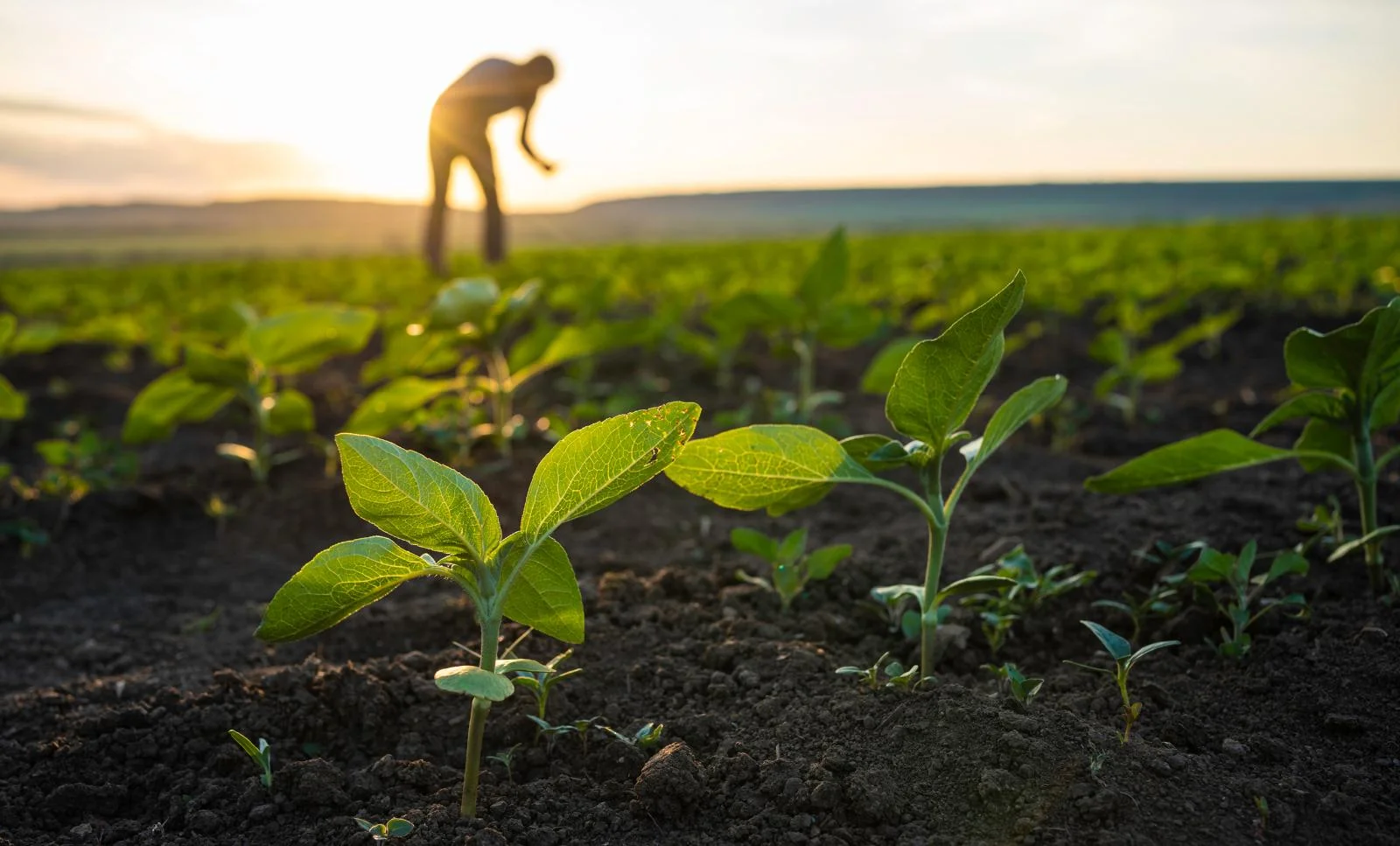
Are you struggling with declining rice yields despite adequate fertilization? Is your soil becoming increasingly acidic and depleted, while input costs keep rising? This is the pressing challenge facing millions of rice farmers. However, biochar—a type of biochar successfully adopted by many countries—is opening up the opportunity to sustainably increase rice yields by 15–20%. This article will guide you in detail on the timing, dosage, and proper application techniques for biochar to achieve maximum results right from the first harvest.
I. Why can biochar increase rice yields by 15–20%?
Hook: The pressing challenge facing rice farmers today
According to data from the Ministry of Agriculture and Rural Development, more than 60% of Vietnam’s rice-growing land is experiencing reduced alluvial deposits, increased acidity, and nutritional imbalances. Many farmers report that despite doubling the amount of NPK fertilizer compared to 10 years ago, yields have not improved, and the soil is becoming increasingly compacted.
Fertilizer costs account for 40–50% of total production costs, but utilization efficiency is only 30–40%. Most of the nutrients are lost through leaching or volatilization, leading to waste and environmental pollution. This is precisely why biochar is being hailed as the "golden key" to soil restoration and increased agricultural productivity.
What is biochar and how does it affect rice-growing soil?
Biochar is a bio-based carbon product produced through the pyrolysis of biomass (rice husks, wood chips, straw, and rice husk shells) at temperatures of 300–700°C under oxygen-deprived conditions. Unlike conventional charcoal, biochar has a unique porous structure with a surface area of up to 300–500 m²/g.
The mechanisms by which biochar affects rice-growing soil occur through various pathways:
Improving soil structure: The tiny pores in biochar help increase water retention by 18–25%, which is particularly important for sandy soils. At the same time, biochar creates a favorable environment for beneficial microorganisms to thrive, making the soil looser and more aerated.
pH regulation and toxicity reduction: With a pH of 8–10, biochar can neutralize acidic soil and reduce levels of toxic aluminum and iron—the primary causes of leaf yellowing and root death in rice grown on acidic soils.
Improve nutrient retention: Biochar acts as a "nutrient reservoir" with the ability to adsorb and slowly release NPK elements, helping to increase fertilizer use efficiency by 30–40%.
Scientific evidence: Domestic and international studies on the effectiveness of biochar
The Institute of Soil Science and Agricultural Chemistry (2019) conducted an experiment in An Giang on 5 hectares of rice fields using rice husk biochar. The results showed a 17.3% increase in yield (from 5.8 tons/ha to 6.8 tons/ha) and a 25% reduction in NPK fertilizer application compared to the control group.
A study by Hanoi University of Agriculture (2020) on acid-sulfate soils in Hậu Giang found that applying 3 tons of biochar per hectare raised the pH from 4.2 to 5.8 in just 45 days and reduced the exchangeable aluminum content by 68%.
Internationally, the journal *Agriculture, Ecosystems & Environment* (2018) published a review of 114 studies on biochar, showing that rice yields increased by an average of 15.8% when biochar was applied, with the greatest benefits observed on acidic and nutrient-poor soils.
Comparing biochar with traditional organic fertilizer
| Criteria | Biochar | Manure | Compost |
|---|---|---|---|
| Duration of effect | 3–5 years | 3–6 months | 6–12 months |
| Water retention capacity | High (up 18–25%) | Average | Average |
| Maintain nutrition | Very high | Low (easily washed away) | Average |
| Improve pH | Strong (+1–2 units) | Weak | Weak |
| Recommended dosage | 2–5 tons per hectare | 10–15 tons per hectare | 8–12 tons per hectare |
| Initial cost | High | Low | Average |
| Long-term effectiveness | Accumulated over many seasons | Reapply fertilizer every growing season | Reapply fertilizer every growing season |
The key feature of biochar is sustainability: A single application can provide benefits for 3–5 years, whereas traditional organic fertilizer requires continuous replenishment with each crop.
II. Preparing High-Quality Biochar for Rice Fields
Criteria for selecting biochar suitable for rice-growing soil
Not all biochar is suitable for rice cultivation. Here are the 5 most important criteria:
pH: Choose biochar with a pH of 7.5–9.5 for acidic soil and a pH of 6.5–7.5 for neutral soil. Avoid biochar with a pH that is too high (>10), as it can cause nutrient imbalances.
Carbon content: At least 60%, ideally 70–80%. The higher the carbon content, the better the nutrient retention and durability.
Particle size: For paddy rice, a particle size of 1–5 mm is optimal. Particles that are too large are difficult to mix evenly, while those that are too small are easily washed away by the water.
Specific surface area: The higher, the better; a minimum of 150 m²/g. This is the key factor determining nutrient adsorption capacity.
Humidity: No more than 15% to facilitate storage and transportation.
Source of raw materials: Rice husks, wood, or agricultural byproducts?
Each type of feedstock used to produce biochar has different properties:
Biochar from rice husks: The top choice for paddy rice. Rich in silica (SiO₂), it helps strengthen rice stems, prevent lodging, and enhance resistance to pests and diseases. It typically has a high pH (8–9), making it highly suitable for acidic soils. It is cost-effective due to the availability of raw materials.
Biochar from wood: It has the highest durability, with a carbon content of up to 80–85%. However, it is more expensive and contains fewer trace elements essential for rice.
Biochar from rice straw: Rich in potassium and magnesium, but less durable than rice husks, it typically lasts only 2–3 years.
Recommendation: For rice fields, biochar made from rice husks or a rice husk-straw mixture in a 70:30 ratio should be prioritized.
How to identify high-quality biochar
Farmers can check the quality of biochar themselves using simple methods:
Visual inspection: Good-quality biochar has a glossy black color, a clearly defined porous structure, and does not crumble when held gently. If it leaves a lot of black dust on your hands, it indicates that it has not been sufficiently charred.
Water testing: Add a handful of biochar to a glass of water. High-quality biochar will float at first and then gradually sink as the water seeps into its pores. If it sinks immediately or floats completely, it is of poor quality.
pH test: Use pH paper or a simple pH meter. Soak the biochar in distilled water for 30 minutes, then measure the pH. The ideal pH for acidic soil is 8–9.
Ash content test: Burn a small amount of biochar completely. If the ash residue is >10%, this indicates a low carbon content and poor quality.
Processing and activating biochar before application
Untreated "raw" biochar can leach nutrients from the soil in the early stages, causing nutrient deficiencies in plants. Therefore, biochar must be activated before use:
Method 1 - Soaking in microbial fertilizer:
- Mix biochar with microbial fertilizer (ratio: 100 kg of biochar to 2–3 kg of microbial fertilizer)
- Mist spray (humidity 40–50%)
- Store in a sealed bag or container for 7–10 days
- Turn them over every 2–3 days
Method 2 - Soaking in organic fertilizer solution:
- Soak the biochar in compost tea (or fermented rice water) at a 1:2 ratio
- Soak for 24–48 hours, then drain
- Use immediately or store in a sealed bag
Method 3 - Mix with manure:
- Mix biochar with well-composted manure (in a 1:3 ratio)
- Let it ferment for another 15–20 days
- This method both activates biochar and enhances the value of organic fertilizer
Once activated, biochar takes on a darker color, has a mild microbial odor, and is ready to provide nutrients to plants right from the start.
III. Optimal biochar application rates for each soil type and rice variety
Basic dosage calculation formula
The biochar application rate depends on three main factors: soil type, degree of degradation, and farming objectives.
Basic formula: Application rate (tons/ha) = Base rate + Soil adjustment factor + Target adjustment factor
- Base rate: 2 tons per hectare (for average soil)
- Soil factor: +0.5–1 ton for poor soil; -0.5 ton for good soil
- Target factor: +0.5 tons if rapid rehabilitation is desired
Dosage for saline-alkali soil, acidic soil, and sandy loam
Acidic soil (pH < 4.5):
- First crop: 4–5 tons per hectare
- Crop 2–3: Apply 1–2 tons per hectare
- Starting from the fourth crop: 0.5–1 ton per hectare per year for maintenance
Note: For acidic soils, biochar should be combined with lime powder (0.5–1 ton/ha) to accelerate pH improvement.
Acidic soil (pH 4.5–5.5):
- First crop: 3–4 tons per hectare
- Crop 2–3: Apply 1 ton per hectare
- From the 4th crop: 0.5 tons per hectare per year
Sandy loam (well-drained):
- First crop: 3–3.5 tons per hectare
- Next crop: 0.5–1 ton per hectare per year
Focus: Enhancing water retention and nutrient uptake.
Light to medium-textured soil (pH 5.5–6.5):
- First crop: 2–3 tons per hectare
- Next crop: 0.3–0.5 tons per hectare per year
Adjust the dosage according to the growth stage
A common mistake is applying too much biochar at the start or applying it uniformly every growing season. The correct strategy is:
Phase 1 - Launch Season (Season 1):
- Apply a high dose to "infuse" biochar into the soil
- Objective: To establish a foundation for soil improvement
- Quantity: 70–80% of the total amount of biochar required for 3 years
Phase 2 - Consolidation Phase (Weeks 2–4):
- Low-dose supplemental feeding
- Objective: Maintain and enhance effectiveness
- Dosage: 20–30% of the first crop
Phase 3 - Stabilization phase (from crop 5):
- Annual maintenance fertilization
- Objective: To compensate for decomposition and leaching
- Application rate: 0.3–0.5 tons per hectare per year
Points to Consider When Combining Biochar with NPK Fertilizer and Organic Fertilizer
Biochar does not completely replace fertilizer; rather, it helps improve fertilizer efficiency:
The Golden Rule: When applying biochar, reduce the amount of NPK fertilizer by 20–30% compared to usual.
For example: If 300 kg of NPK per hectare was previously applied, only 210–240 kg of NPK per hectare is needed when biochar is used.
Fertilization schedule:
- Biochar + organic fertilizer (mix thoroughly before tilling)
- Phosphate fertilizer (base fertilizer)
- Nitrogen and potassium fertilizer (applied in 2–3 applications)
Time interval: Apply biochar at least 7–10 days before applying NPK fertilizer to allow the biochar to settle into the soil.
Quick Reference Chart for Dosage by Field Area
| Area | Heavily acidic soil | Slightly acidic soil | Average soil | Good soil |
|---|---|---|---|---|
| 100 square meters (1 sào) | 40–50 kg | 30–40 kg | 20–30 kg | 15–20 kg |
| 500 square meters | 200–250 kg | 150–200 kg | 100–150 kg | 75–100 kg |
| 1,000 m² (1 hectare) | 400–500 kg | 300–400 kg | 200–300 kg | 150–200 kg |
| 1 hectare (10,000 square meters) | 4–5 tons | 3–4 tons | 2–3 tons | 1.5–2 tons |
Measuring tips: If you don’t have a scale, a 20-liter plastic bucket holds about 8–10 kg of rice husk biochar (depending on how tightly packed it is).
IV. The Proper Time to Apply Biochar According to the Seasonal Schedule
The optimal time: Before tilling or after transplanting?
The answer is: 10–15 days before tilling - This is the best time.
Scientific reason:
- Biochar takes time to interact with the soil and absorb water and nutrients
- Microorganisms need time to colonize the pores of biochar
- Prevent biochar from floating to the surface during submerged planting
Other times and effectiveness:
- Applying fertilizer at the same time as soil preparation: 85–90% effective
- Apply 5–7 days after transplanting: 60–70% effectiveness (should only be used as a supplemental application)
- Apply when the rice has 2–3 leaves: <50% effectiveness (not recommended)
Biochar Application Process for the Winter-Spring Crop Season
The winter-spring season (November–December to April–May) is the main growing season in the North and in some central provinces.
Specific timeline:
Week -2 (2 weeks before implantation):
- Let the soil dry for 3–5 days
- Spread the activated biochar evenly across the field
- Apply organic fertilizer (if available)
Week -1:
- First plowing: plow to a depth of 15–20 cm to incorporate biochar
- Soak in water for 2–3 days
- Plow a second time, harrowing thoroughly to ensure the biochar is evenly mixed
Week 0 (implantation week):
- Check the pH of the field water (ideally 6–7)
- Planting rice according to plan
- Maintain a water level of 3–5 cm
Weeks 2–3:
- Monitor the color of the rice leaves (dark green is good)
- First nitrogen fertilizer application (25% less than usual)
Weeks 6–7 (branching):
- Second application of nitrogen fertilizer
- If the soil is highly acidic, you can apply an additional 200–300 kg of biochar per hectare
Biochar Application Process for the Summer-Fall and Winter Crops
Summer-Fall Season (May–June to September–October):
Characteristics: High temperatures, heavy rainfall, and a high risk of nutrient leaching.
Adjustment:
- Increase the biochar application rate by 10–15% compared to the winter-spring season
- Apply the biochar deeper (15–20 cm) to prevent it from being washed away by rainwater
- Combine with straw to increase ground cover
Shortened timeline: Due to the tight preparation schedule, biochar can be applied 7–10 days before planting instead of 15 days.
The Summer Cropping Season (Southern Region, June–July to October–November):
Specific conditions: Heavy rain and flooding, risk of waterlogging.
Adjustment:
- Prioritize biochar made from rice husks (which is lighter and less prone to leaching than wood biochar)
- Mix the biochar with the clay soil to form compacted clumps before spreading
- Apply the fertilizer 3–4 weeks before the flood so that the biochar has time to "bind" to the soil
How to apply biochar to fields that have been cultivated for multiple seasons
If the field has been treated with biochar from previous growing seasons:
Signs that additional fertilization is needed:
- Yields are down 5–10% compared to the previous season
- The ground began to harden again
- pH decreased by more than 0.5 units compared to after biochar application
Recommended dosage:
- Years 2–3: 0.5–1 ton/ha
- Years 4–5: 0.3–0.5 tons per hectare
- From the 6th year: 0.2–0.3 tons per hectare
Fertilization method: Spread evenly over the field after harvest, before preparing the soil for the next crop.
Weekly schedule (Weeks 0–16)
Preparation phase (Weeks -2 to 0):
- Week -2: Apply biochar + organic fertilizer
- Week -1: Plowing and soaking
- Week 0: Rice planting
Vegetative growth stage (Weeks 1–8):
- Weeks 1–2: Monitor rice root establishment; maintain shallow water levels
- Week 3: First nitrogen fertilizer application (25% reduction)
- Weeks 4–6: Rice is actively tillering; check soil pH
- Week 7: Second application of nitrogen fertilizer (25% reduction)
- Week 8: Branching, rising water levels
Reproductive growth stage (Weeks 9–13):
- Weeks 9–10: Rice enters the heading stage; apply potassium fertilizer
- Weeks 11–12: Flowering; maintain a water depth of 5–7 cm
- Week 13: The rice is at the milk ripeness stage; begin reducing irrigation
The third trimester (Weeks 14–16):
- Weeks 14–15: Full ripeness, drain the water
- Week 16: Harvest
Regional note:
- Northern Region: Due to the cold weather during the winter-spring season, rice growth is 1–2 weeks behind schedule
- Central Vietnam: Be aware of the Lao wind season (May–July); increase irrigation during this period
- Southern Region: Rice grows faster, potentially shortening the growing season by one week
V. Effective biochar application techniques in rice fields
Broadcasting vs. Row Seeding
Broadcast method (recommended for rice fields):
Advantages:
- Biochar is evenly distributed and highly effective
- Suitable for manual and machine implantation
- Simple and easy to do
Instructions:
- Divide the field into 10x10-meter plots
- Divide the biochar into corresponding portions
- Use your hands or a shovel to spread the mixture evenly across each section
- The person walks backward to avoid stepping on the spread biochar
Note: It is best to apply it early in the morning or in the cool of the evening, avoiding strong winds.
Row-based fertilization method:
Advantages:
- Biochar savings (15–20% reduction compared to uniform application)
- Concentrating nutrients near the rice roots
Disadvantages:
- Time-consuming; only suitable for small spaces
- Precise implantation techniques are required
Instructions:
- Make rows spaced 20–25 cm apart and 5–7 cm deep
- Spread biochar in the trench
- Apply a thin layer of soil over the biochar
- Plant rice in the pre-plowed rows
Techniques for mixing biochar with soil and manure
Mixing biochar with organic fertilizer before application yields results that are 30% more effective than applying them separately.
Standard mixing formula:
- Biochar: 100 kg
- Well-composted manure: 200–300 kg
- Biofertilizer: 2–3 kg
- Water: 30–40 liters
Procedure:
- Spread the manure in a 10-centimeter-thick layer
- Spread the biochar on top
- Apply microbial fertilizer and water evenly
- Stir 3–4 times until well mixed
- Let it ferment for 7–10 days in a cool, shaded place
- Stir once on Wednesday or Thursday
Mixed-signal compliance:
- Uniform dark brown
- It has the scent of fresh soil, not a musty smell
- Moisture content: 40–50% (squeezes out water but does not drip)
Optimal depth for biochar application
The depth of application directly affects effectiveness:
5–7 cm (topsoil):
- Suitable for: Sandy soil, well-drained soil
- Advantage: Biochar comes into rapid contact with young rice roots
- Disadvantages: Prone to being washed away or evaporating
10–15 cm (recommended for paddy rice):
- Suitable for: Most types of rice-growing soil
- Advantages: Biochar is stable and provides long-lasting benefits
- Method: Deep plowing, incorporating biochar into the root zone
15–20 cm (depth):
- Suitable for: Acidic soil, saline soil
- Advantages: Improves deep soil layers, increases drought resistance
- Disadvantage: Requires a specialized plow
Principle: 70% of the biochar is at a depth of 10–15 cm, and 30% is in the 5–10 cm layer.
How to Apply Biochar to Paddy Fields and Dry Fields
Paddy fields (wet rice):
Features: Since it is always covered with water, biochar tends to float.
Technical:
- Drain the field completely 3–5 days before applying biochar
- Let the soil dry to a moisture level of 50–60% (the soil should still be soft but not muddy)
- Spread the biochar and plow it in immediately
- Plow 2–3 times
- Soak in water again after 2–3 days
Tip: Mix biochar with compressed soil pellets (in a 1:2 ratio) and spread the mixture over the field—the biochar will not float.
Dry fields (dry rice or crop rotation):
Features: It doesn't flood frequently, so it's easier to manage.
Technical:
- Apply biochar after the previous harvest
- Plow and mix biochar into the top 15 cm of soil
- Water thoroughly and let it sit for 10–15 days
- Prepare the soil and sow or transplant as usual
Tools and machinery for applying biochar
Small-scale (<1 ha):
- Shovels, hoes: Manual spreading and mixing
- Baskets, bins: Dosing biochar for each compartment
- Two-wheeled tractor: Incorporating biochar after spreading
Medium-sized (1–5 ha):
- Organic fertilizer spreader: Modified for spreading biochar (requires an additional screen)
- 4-wheel tractor: Deep plowing, thorough mixing
- Disc harrow: Harrow thoroughly after plowing
Large-scale (>5 ha):
- Specialized biochar spreader: Even distribution, time-saving
- Plow: Plows to a depth of 20–25 cm
- Automatic irrigation system: Maintaining soil moisture after fertilization
Safety Note:
- Wear a mask when spreading biochar to avoid inhaling dust
- Wear gloves because biochar can dry out your skin
- Store biochar in a dry place, away from rain
VI. Post-application Care and Monitoring of Biochar
Appropriate irrigation practices following biochar application
Biochar requires water to fully "activate" its ability to adsorb and release nutrients.
The first 7 days after application:
- Maintain soil moisture at 60–70%
- Water lightly twice a day (morning and afternoon) if it doesn’t rain
- Avoid severe waterlogging because the biochar has not yet firmly "bonded" to the soil
Weeks 2–4 (after implantation):
- Maintain a water level of 3–5 cm
- Water when the water level drops below 2 cm
- If there is heavy rain, ensure proper drainage to prevent excessive flooding (>10 cm)
Starting in Week 5:
- Conventional water management
- Note: Fields treated with biochar retain water better, potentially reducing irrigation water use by 15–20%.
Branching stage:
- Use the "wet-dry alternation" technique to increase oxygen supply to the roots
- Water for 3–4 days, then let dry slightly for 1–2 days
Adjust the amount of NPK fertilizer after applying biochar
Biochar improves fertilizer use efficiency, so adjustments are needed to prevent nutrient excess.
Adjustment principles:
First application of biochar:
- Reduce nitrogen (N) fertilizer by 20–25%
- Reduce phosphorus (P) by 15–20%
- Reduce potassium (K) fertilizer by 10–15%
Episodes 2–3:
- Reduce nitrogen fertilizer by 25–30%
- Reduce phosphorus fertilizer by 20–25%
- Reduce potassium fertilizer by 15–20%
From the fourth episode:
- Reduce nitrogen fertilizer by 30–35%
- Reduce phosphorus fertilizer by 25–30%
- Reduce potassium fertilizer by 20–25%
Specific examples:
Before using biochar: 300 kg of NPK (16-16-8) per hectare
The first batch contains biochar:
- Nitrogen: 300 × 16% × 75% = 36 kg N (equivalent to 78 kg of urea)
- Phosphate: 300 × 16% × 80% = 38.4 kg P₂O₅ (equivalent to 240 kg of superphosphate)
- Potassium: 300 × 8% × 85% = 20.4 kg K₂O (equivalent to 34 kg KCl)
Key indicators to monitor: soil pH, moisture content, rice color
Soil pH:
- Measurement 1: Before applying biochar (baseline)
- Second measurement: 30 days after applying biochar
- Measurement 3: Mid-season (weeks 7–8)
- Measurement 4: After harvest
Objective: The pH increases by 0.5–1 units after 30 days and stabilizes at 5.5–6.5.
Soil moisture:
- Check daily by visual inspection or using a dipstick
- Ideal humidity: 60–80% (moist soil; when squeezed, water comes out but does not drip)
Color of rice leaves:
- Weeks 2–3: Pale green leaves (normal for newly transplanted rice)
- Weeks 4–6: Dark green leaves (a sign that the biochar is starting to take effect)
- Weeks 7–10: Dark green, glossy leaves (healthy rice plants)
Warning: If the leaves turn yellow abnormally in weeks 4–5, there may be a nitrogen deficiency—apply 10–15 kg of urea per hectare as a supplemental fertilizer.
Height and number of branches:
- Count the number of branches in 10 randomly selected clumps each week
- Compared to the control plot (no biochar applied)
- Objective: Increase the number of effective branches by 10–15%
Troubleshooting Common Issues
Issue 1: Rice leaves turn yellow 2–3 weeks after biochar application
Reason: Insufficiently activated biochar leaches nitrogen from the soil.
Solution:
- Apply 15–20 kg of urea per hectare as a supplemental fertilizer
- Apply a nitrogen-containing foliar fertilizer (1–2 times, every 5 days)
- Increase watering to promote organic decomposition
Issue 2: Biochar floating on the water's surface
Reason: If the soil is too wet, do not incorporate the biochar thoroughly.
Solution:
- Drain off some of the water and let the biochar settle
- Use a light rake to work the biochar into the soil
- Soak in water again after 1–2 days
Problem 3: Slow-growing, stunted rice
Reason: The biochar has a high salt content or an excessively high pH.
Solution:
- Rinse thoroughly to remove the salt
- Apply manure to balance the pH
- Application of trace element fertilizers (Zn, Fe)
How long does it take to see noticeable results?
Short-term effectiveness (30–45 days):
- The soil is noticeably looser
- Dark green rice with good tillering
- Reduce irrigation by 10–15%
Medium-term effectiveness (60–90 days / entire growing season):
- Increase the number of seeds per flower by 10–15%
- Reduce the percentage of shriveled grains by 5–8%
- Productivity increased by 12–18%
Long-term effectiveness (3–5 years):
- Improve pH stability (+1–1.5 units)
- Increase the organic matter content in the soil by 0.5–1%
- Consistently high yields, with reduced variability between crops
- Reduce cumulative fertilizer costs by 30–40%
Important note: The benefits of biochar are cumulative. The first crop may see only an 8–12% increase in yield, but starting from the second or third crop, the benefits become more pronounced, reaching the expected 15–20%.
VII. Case Studies and Practical Experiences from Farmers
Case Study 1: A Successful Model in the Mekong Delta
Location: Thanh Phu Agricultural Cooperative, Vinh Thanh District, Can Tho
Scale: 12 hectares of rice, slightly acidic soil (pH 4.8–5.2)
Time: The 2020–2021 Winter–Spring Cropping Season to date
Application process:
- Crop 1 (Winter-Spring 2020–2021): Apply 4 tons of rice husk biochar per hectare + 8 tons of manure per hectare
- 25% less NPK fertilizer than usual
- Combine with microbial fertilizer for root application
Results:
Episode 1:
- Yield: Increased from 5.6 tons per hectare to 6.4 tons per hectare (+14.3%)
- Soil pH: Increased from 4.9 to 5.6
- Fertilizer costs: Down 18%
- Increase in profit: 4.2 million VND per hectare
Episode 2-3:
- Apply 1 ton of biochar per hectare per crop season
- Consistent yield of 6.5–6.8 tons per hectare (+16–21%)
- 30% off NPK fertilizer
Remarks by Mr. Nguyen Van Thanh, Chairman of the Cooperative:
"At first, I was skeptical—I wondered if using biochar on this acidic soil would make any difference. But after the first harvest, I noticed the rice was much greener, with larger panicles and plump grains. Most importantly, the soil became less acidic, so we don’t have to apply as much lime as before. Now, all 35 households in the cooperative use biochar, and everyone is satisfied."
Case Study 2: The Application of Biochar on Acidic Soils in Central Vietnam
Location: Phu Thuan Commune, Phu Vang District, Thua Thien Hue Province
Scale: 3.5 hectares of rice, heavily acidic soil (pH 3.8–4.2)
Time: Summer/Fall 2021 Collection
Challenge:
- Heavily acidic soil with high aluminum content
- Rice plants often suffer from yellowing leaves and root rot
- Low yield (3.5–4 tons per hectare)
Solution:
- Apply 5 tons of biochar per hectare + 1 ton of lime per hectare
- Soak the biochar in microbial fertilizer for 10 days before applying it
- Apply fertilizer 15–20 cm deep to improve the root zone
Results after 1 season:
- Yield: 5.2 tons per hectare (+44% compared to before)
- pH: Increased from 4.0 to 5.3
- Aluminum exchange capacity: 62% reduction
- Rate of shriveled grains: Decreased from 18% to 9%
Lessons learned:
- Heavy acid-sulfate soils require a combination of biochar and lime for quick results
- Applying fertilizer deeply is more important than applying a lot of it
- Patience is key; maximum effectiveness begins with the second crop
Farmer Interview: Mistakes to Avoid When Starting Out
Mistake 1: Buying low-quality biochar just because it’s cheap
Mr. Tran Van Hung (Long An): "The first time I bought biochar, I went for the cheaper option at 2,000 VND per kilogram instead of the higher-quality version at 3,500 VND per kilogram. As a result, after applying it, the rice didn’t improve—it actually turned even more yellow. Later, I found out that the biochar hadn’t been properly carbonized and contained a lot of impurities. It was a waste of time and money."
Lesson: Don’t skimp on buying high-quality biochar. While it may cost more, it’s 2–3 times more effective.
Mistake 2: Applying "raw" biochar that has not been treated
Ms. Nguyen Thi Lan (Tien Giang): "I heard that biochar was good, so I bought some and spread it right away on my rice field. To my surprise, the rice turned a pale yellow, and I had to add more nitrogen fertilizer to get it to recover. Only later did I learn that I should have soaked the biochar in microbial fertilizer first."
Lesson: Always activate the biochar before applying it; don’t sacrifice effectiveness just to save time.
Mistake 3: Applying too much fertilizer in the first growing season
Mr. Le Van Tam (Dong Thap): "I thought more fertilizer would be better, so in the first crop I applied as much as 7 tons per hectare. The rice grew well, but it turned out not to be economically viable. In the next crop, I reduced it to 4 tons per hectare, which still yielded high productivity but was more cost-effective."
Lesson: Applying the right amount is more important than applying too much. Follow the recommendation of 3–5 tons per hectare for the first crop.
Specific Cost-Benefit Analysis (ROI)
Calculations for 1 hectare of rice on moderately acidic soil:
Initial investment costs (Phase 1):
- Biochar: 3 tons × 3,500,000 VND/ton = 10,500,000 VND
- Activated microbial fertilizer: 500,000 VND
- Transportation and spreading: 1,000,000 VND
- Total: 12,000,000 VND
Cost savings:
- 25% off NPK fertilizer: 2,500,000 VND
- 15% discount on irrigation water: 300,000 VND
- Reduction in pesticide use (healthier rice): 400,000 VND
- Total savings per crop: 3,200,000 VND
Increase income:
- Increase in yield: 0.8 tons/ha × 6,000,000 VND/ton = 4,800,000 VND
- Better rice quality (3% price increase): 300,000 VND
- Total revenue per crop: 5,100,000 VND
Net profit:
- Case 1: 5,100,000 + 3,200,000 - 12,000,000 = -3,700,000 VND (not yet recouped)
- Batch 2 (0.5-ton supplemental application, cost 2,000,000): 5,100,000 + 3,200,000 - 2,000,000 = +6,300,000 VND
- Application 3 (supplementary application of 0.5 tons): +6,300,000 VND
Total profit after 3 harvests (1.5 years): 8,900,000 VND/ha
ROI after 1.5 years: 74%
Starting with Case 4: With just 0.3 tons of maintenance fertilizer per year (1,000,000 VND), the net profit is approximately 7,500,000 VND per crop.
Lessons learned from cooperatives that have successfully implemented the program
1. Start with a small test area
Tân Thành Cooperative (An Giang) recommends: "For the first crop, you should only test 2,000–3,000 square meters to observe the results. Only expand if the results are good. This reduces risk and allows you to gain experience."
2. Combining biochar with organic farming
Huu Nghi Cooperative (Vinh Long) shared: "We combine biochar, microbial fertilizer, and biological pesticides. Not only has our yield increased, but we’ve also received VietGAP certification and are selling our produce at a price 15% higher."
3. Organize group purchases to reduce costs
Phuoc Thanh Cooperative (Tien Giang): "35 households pooled their funds to purchase 100 tons of biochar at once, securing a 20% discount. It’s both affordable and guaranteed to be high-quality from a reputable supplier."
4. Keep detailed records and monitor closely
Dong Tien Cooperative (Can Tho): "Each household keeps a record of the date of fertilization, dosage, weather conditions, and rice growth. At the end of the season, we hold a meeting to evaluate the results and learn from our experiences. As a result, the next season is better than the previous one."
VIII. Conclusions and Specific Action Plan
Summary of 5 Key Points for Successful Biochar Application
1. Choose high-quality biochar and activate it before application
Biochar made from rice husks, pH 8–9, carbon content >70%. Always soak in microbial fertilizer for 7–10 days before use.
2. Dosage appropriate for the soil type
Heavily acidic soil: 4–5 tons per hectare in the first crop. Average soil: 2–3 tons per hectare. Do not over-apply, as this leads to waste.
3. The optimal time: 10–15 days before implantation
Apply when soil moisture is 50–60%, plow to a depth of 10–15 cm, and harrow thoroughly to mix evenly.
4. Reduce NPK fertilizer by 20–30% starting from the first crop
Biochar improves fertilizer efficiency. Applying the same amount as before will result in excess fertilizer, causing plants to topple over and leading to waste.
5. Be patient and monitor closely
Maximize results starting from the second or third crop. Record pH levels, yield, and costs for accurate evaluation.
A 3-Step Guide for Beginner Farmers
STEP 1: Test Run (Runs 1–2)
Objective: Learn from experience and evaluate effectiveness in your own context.
Action:
- Select 1,000–2,000 square meters of representative farmland
- Applying biochar using proper techniques
- Set aside 200–300 square meters as a control plot (without biochar application) for comparison
- Record all parameters in detail
Time: 6–8 months (1–2 crops)
STEP 2: Expansion (Episodes 3–5)
Objective: Scale up across the entire area and optimize processes.
Action:
- Expand to 50–70% of the area
- Adjust the dosage based on experience from the previous season
- Join a farmers' group to share experiences
- Accurate ROI calculation
Time: 1–1.5 years
STEP 3: Stabilization and Optimization (From Season 6)
Objective: Sustainable farming, high and stable profits.
Action:
- Apply to the entire area
- Switch to maintenance fertilization (0.3–0.5 tons per hectare per year)
- In combination with other advanced techniques (microbial analysis, biological agents)
- Aiming for VietGAP or organic certification
Time: Long-term (3–5 years or more)
Reliable sources for purchasing biochar and technical support
Criteria for selecting a supplier:
- Has a product quality certificate
- Provide clear information about the origin and ingredients
- Technical support is available
- Warranty and Return Policy for Products That Do Not Meet Quality Standards
Search channels:
- Contact the Provincial/District Agricultural Extension Center
- Cooperatives and cooperative groups in the region
- Reputable organic fertilizer manufacturers
- Agriculture Forum, specialized Facebook group
Free technical support:
- Institute of Soil Science and Agricultural Chemistry: Soil analysis consulting and dosage recommendations
- Agricultural Extension Center: Technical Training and Experimental Support
- Agricultural Universities: Agricultural Extension and Technology Transfer Programs
Frequently Asked Questions (FAQ)
1. Is biochar expensive? Is it worth the investment?
Biochar costs 3,000–4,000 VND per kilogram, with an initial investment of 10–12 million VND per hectare. Although this is higher than the cost of conventional organic fertilizer, its benefits last for 3–5 years. The ROI after 1.5 years reaches approximately 74%, making it a worthwhile investment.
2. Can I make biochar at home?
It is possible, but it requires a specialized kiln and temperature control between 400 and 600°C. Homemade biochar is often of inconsistent quality. For small-scale projects (<5,000 m²), it is recommended to purchase pre-made biochar to ensure quality.
3. Is biochar harmful to the environment?
No. Biochar helps sequester carbon in the soil for hundreds of years, contributing to a reduction in CO₂ emissions. It is an environmentally friendly farming practice recommended by UNESCO and the FAO.
4. Do I need to apply biochar every growing season?
No. Apply a high initial dose (3–5 tons per hectare); for subsequent years, apply only a supplemental dose of 0.5–1 ton per hectare per year. Starting in the 4th or 5th year, only 0.3 tons per hectare per year is needed for maintenance.
5. Is biochar suitable for all types of soil?
It is most suitable for acidic, saline, and sandy soils. While it is beneficial in well-drained soils (pH 6.5–7), the results are not as pronounced. In alkaline soils (pH >7.5), biochar with a high pH should not be used.
6. Is it a good idea to combine biochar with microbial fertilizer?
Great! Biochar creates an ideal habitat for microorganisms. Combining the two increases effectiveness by 30–40% compared to using them separately.
7. Does biochar affect rice varieties?
No. Biochar is suitable for all rice varieties. However, high-quality rice varieties (such as Jasmine and ST25) yield the best economic results when combined with biochar.
8. How long does it take to see noticeable results?
After 30–45 days, the rice appears greener and the soil becomes looser and more porous. Yields increase significantly after the first harvest (12–18%). Maximum effectiveness is achieved in the second and third crops (15–20%).
9. Is it dangerous to apply the wrong dosage?
Under-fertilization: Ineffective and a waste of effort. Over-fertilization: Not dangerous but a waste of money; it can cause the pH to rise too high (>7.5), leading to nutritional imbalance.
10. Do I need to obtain any permits to use biochar?
No. Biochar is a legally permitted soil amendment and does not require a permit. You just need to purchase it from a reputable source and keep the receipt.
Call to Action: Start right away with the next harvest
Rice yields have increased by 15–20%, fertilizer costs have dropped by 30%, and soil quality continues to improve—this is not a distant dream but a reality that thousands of farmers have achieved and continue to achieve thanks to biochar.
You don’t need to overhaul your entire farming process or invest in expensive machinery. Just start with a 1,000–2,000 m² trial plot, apply the five golden rules outlined above, and patiently monitor the results.
Next season—whether it’s winter-spring, summer-fall, or the monsoon season—set aside a small plot of land to test biochar. Keep detailed records, compare it with a control plot, and you’ll see the difference for yourself.
Remember: Sustainable farming isn’t a sprint—it’s a marathon. Biochar is a trusted partner that helps you build a solid foundation for bountiful harvests for years to come.
Action checklist for the next 30 days:
□ Week 1: Research and select a reputable biochar supplier
□ Week 2: Soil analysis (pH, fertility) at the Agricultural Extension Center
□ Week 3: Purchase biochar and microbial fertilizer and prepare for activation
□ Week 4: Develop a detailed plan for the upcoming crop (area, dosage, timing)
Take action today and reap the rewards next season. We wish you success on your journey toward sustainable and efficient farming!