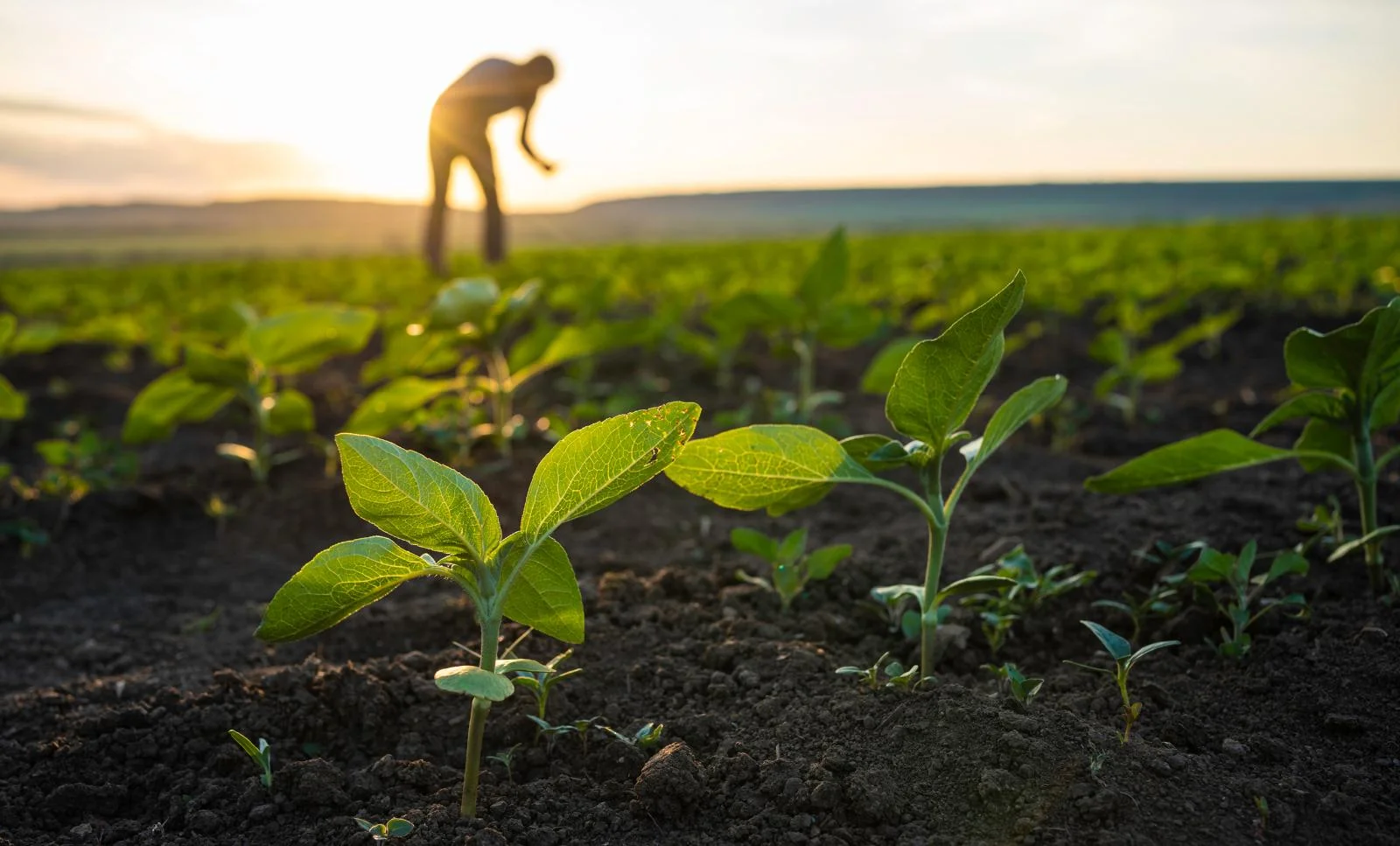
Each year, Vietnam produces more than 80 million tons of agricultural byproducts from rice, sugarcane, coffee, and other crops. Instead of being utilized as a valuable resource, most of this waste is burned directly in the fields, causing severe air pollution and wasting enormous biological potential. Biochar—a biochar product derived from the pyrolysis of agricultural byproducts—is emerging as a "two-in-one" solution: effectively managing waste while producing a sustainable soil-improving material.
However, not all types of biochar perform equally well. The quality and properties of biochar depend heavily on the source material. This article will provide a detailed analysis and comparison of the performance of biochar derived from the five most common agricultural byproducts in Vietnam: rice straw, rice husks, sugarcane bagasse, coffee husks, and corn stalks. Through this analysis, you will gain a comprehensive understanding to help you select the most suitable raw material for your farming conditions and production goals.
Biochar - A Solution for Utilizing Agricultural Byproducts and Sustainable Soil Improvement
The current situation regarding agricultural byproducts in Vietnam is one of waste
Vietnam is an agricultural nation with approximately 7.5 million hectares of rice-growing land, sugarcane production of 15–18 million tons per year, and is the world’s leading coffee exporter, shipping over 1.6 million tons of beans annually. These impressive figures come with an alarming reality: the massive amount of byproducts generated after each harvest.
According to data from the Ministry of Agriculture and Rural Development, the country generates approximately 40–45 million tons of straw, 10–12 million tons of sugarcane bagasse, 6–8 million tons of rice husks, and millions of tons of byproducts from coffee, corn, and cassava each year. Most of this waste is burned directly in the fields—a practice that causes severe air pollution, particularly during harvest season.
Burning straw and rice husks not only emits CO2 but also releases harmful substances such as PM2.5, NOx, and volatile organic compounds (VOCs). This not only affects public health but also results in the loss of significant amounts of carbon and nutrients that could be reused in the soil.
What is biochar and why is it becoming increasingly widespread?
Biochar is a carbon-rich solid product obtained through the pyrolysis of biomass under oxygen-deprived or oxygen-free conditions (at temperatures ranging from 300–700°C). Unlike conventional burning, the pyrolysis process—which controls temperature and oxygen levels—helps retain the maximum amount of carbon within the porous structure of biochar.
The key characteristics of biochar include a porous structure with a very large specific surface area (which can reach 300–500 m²/g), high adsorption capacity, and exceptional carbon stability—it can persist in the soil for hundreds to thousands of years. These properties make biochar an ideal material for soil improvement, enhancing water and nutrient retention while facilitating long-term carbon sequestration.
Globally, biochar has been recognized by UNESCO as one of the leading solutions for combating climate change and improving food security. In Vietnam, many research institutes and universities have launched research projects on biochar, and an increasing number of farming households are beginning to adopt this technology.
Dual Benefits: Waste Management and Increased Crop Yields
The use of biochar offers dual benefits for both the environment and agricultural production. From an environmental perspective, biochar helps reduce greenhouse gas emissions by sequestering carbon in the soil rather than releasing it into the atmosphere. One ton of agricultural byproducts converted into biochar can sequester 0.3–0.5 metric tons of CO2 equivalent.
From an agronomic perspective, biochar improves soil structure, increases water-holding capacity (which is important for sandy soils and during dry seasons), increases cation exchange capacity (CEC) to help the soil retain nutrients more effectively, and creates a favorable environment for beneficial microorganisms. Numerous studies in Vietnam have shown that applying 5–10 tons of biochar per hectare can increase rice yields by 10–15%, reduce chemical fertilizer use by 20–30%, and significantly improve soil quality after 2–3 crop cycles.
Criteria for evaluating the performance of biochar derived from agricultural byproducts
Carbon content and durability of biochar
Total carbon content is the most important indicator for assessing biochar quality. High-quality biochar typically has a carbon content of 60–90% on a dry weight basis. The higher the carbon content, the better the long-term carbon sequestration capacity and the greater the soil-improvement benefits.
The durability of biochar is assessed based on the H/C (hydrogen-to-carbon) and O/C (oxygen-to-carbon) ratios. Biochar with an H/C ratio < 0.7 and an O/C ratio < 0.4 is considered to have high stability and can persist in soil for hundreds of years. These ratios depend heavily on pyrolysis temperature—the higher the temperature, the more stable the carbon structure, but the surface area may decrease.
Specific surface area (BET) and adsorption capacity
Specific surface area (SSA), typically measured using the BET method, indicates the total surface area of a material per unit mass. Biochar has a porous structure with numerous micro-, meso-, and macro-pores, resulting in a very large surface area.
The larger the surface area, the greater the capacity to adsorb water, nutrients, and pollutants. Biochar derived from agricultural byproducts typically has a specific surface area (SSA) ranging from 50 to 400 m²/g, depending on the feedstock and pyrolysis conditions. Some activated biochars can achieve an SSA exceeding 500 m²/g, comparable to commercial activated carbon.
This adsorption capacity helps biochar retain water in the soil (increasing water-holding capacity by 15–20%), retain nutrient ions such as NH4+, K+, Ca2+, and Mg2+ (reducing fertilizer leaching), and adsorb heavy metals and excess pesticides in the soil.
Ash content, pH, and other chemical parameters
Ash content refers to the residue remaining after biochar is completely burned at high temperatures. Ash contains minerals such as K, Ca, Mg, P, and Si. A high ash content (15–40%) indicates that the biochar is rich in mineral nutrients, but if it is too high (>50%), it will reduce the carbon content and soil improvement effectiveness.
The pH value of biochar typically ranges from 7 to 11, making it alkaline. This is a valuable property for the acidic soils common in Vietnam (acidic alluvial soil, gray soil, and yellow-red soil). Biochar can raise soil pH, reduce aluminum toxicity, and improve fertilizer use efficiency.
Other factors to consider include: N, P, and K content (plant nutrients), CEC (cation exchange capacity—a key indicator of nutrient retention capacity), and the levels of harmful substances such as polycyclic aromatic hydrocarbons (PAHs)—which must be kept below safe thresholds.
Biochar recovery rate after pyrolysis
The yield is the percentage of the biochar mass obtained relative to the initial feedstock mass (on a dry weight basis). This yield typically ranges from 20–40% depending on the feedstock and pyrolysis conditions.
Low pyrolysis temperatures (300–400°C) result in higher recovery rates (35–45%) but lower carbon content and poorer durability. High temperatures (500–700°C) produce higher-quality biochar but result in lower recovery rates (20–30%). Optimizing the temperature requires balancing product quality and quantity.
A high recovery rate is economically significant, particularly for small-scale farmers. Raw materials with a high recovery rate reduce production costs per ton of biochar.
Soil improvement potential and impact on crop yield
Ultimately, biochar performance must be evaluated based on its actual impact on soil and crops. Key indicators include:
- Improving soil structure: Increase porosity, reduce bulk density, improve drainage in clay soils, and enhance water retention in sandy soils
- Increasing microbial biomass: Biochar provides a habitat for beneficial bacteria and fungi, enhancing soil biological activity
- Increase productivity: Experiments in Vietnam have shown that biochar can increase yields by 10–25%, depending on the crop and soil type
- Reducing greenhouse gas emissions: Biochar reduces N2O emissions (a potent greenhouse gas) from soil by 20–50%
- Long-term effectiveness: Unlike conventional organic fertilizer, which breaks down quickly, biochar remains effective for many years
Top 5 Most Common Agricultural Byproducts Used for Biochar Production in Vietnam
Straw and Rice Husk - An Abundant Raw Material from Rice Plants
Straw is the most common byproduct of rice cultivation—Vietnam’s primary crop. With a rice-growing area of approximately 7.5 million hectares and an average yield of 5.5–6 tons per hectare, the country harvests more than 43 million tons of paddy rice annually, corresponding to 40–45 million tons of straw.
Characteristics of straw: Cellulose content 35–40%, lignin 12–16%, and relatively high silica content (10–15%). C/N ratio approximately 50–80:1. Straw has a porous structure, low bulk density (80–120 kg/m³), is highly flammable, and is difficult to transport unless processed.
Distribution: Primarily concentrated in the Red River Delta (Thái Bình, Nam Định, Hà Nam) and the Mekong Delta (An Giang, Đồng Tháp, Kiên Giang). There are 2–3 harvests each year, ensuring a stable supply.
Rice husks - A byproduct of the rice milling process
Rice husks are the outer layer of rice grains, which are separated during the rice milling process. With a rice production of over 43 million tons per year, Vietnam produces approximately 8–9 million tons of rice husks (accounting for 20% of the rice’s weight).
Characteristics of rice husks: Very high silica content (15–20%), cellulose 35–40%, and lignin 20–25%. Rice husks have a hard, sturdy structure and do not decompose easily in nature. With a bulk density of 100–150 kg/m³, they are easier to transport and store than straw. Moisture content is typically 10–12%.
Distribution: Concentrated at rice mills, particularly in the Mekong Delta and Red River Delta provinces. A major advantage is the centralized supply, which is available year-round and easy to collect.
Sugarcane bagasse - A major source of biomass from the sugarcane industry
Sugarcane bagasse is the fibrous residue left over after the juice has been extracted from sugarcane. Vietnam cultivates approximately 250,000 hectares of sugarcane, producing 15–18 million tons of sugarcane per year, which generates 4–5 million tons of bagasse (accounting for 25–30% of the fresh sugarcane’s weight).
Characteristics of sugarcane bagasse: Cellulose content 40–45%, lignin 20–25%, residual sugar 2–3%. Fresh sugarcane bagasse has a high moisture content (45–50%) and must be dried before pyrolysis. After drying, the bulk density is approximately 150–200 kg/m³. The C/N ratio is approximately 50–60:1.
Distribution: Concentrated at sugar mills in Tây Ninh, Đắk Lắk, Gia Lai, Phú Thọ, and Sơn La. Currently, bagasse is primarily used as fuel for the mills’ boilers, but there is still a large surplus that can be used to produce biochar.
Coffee Husk - Potential from the Central Highlands
Coffee husks are the outer layer of coffee beans, separated during the bean processing. Vietnam is the world’s second-largest coffee producer, with an annual output of 1.6–1.8 million tons of beans, generating approximately 0.3–0.4 million tons of dry husks (18–20% of the bean weight).
Characteristics of coffee husks: Cellulose content 35–40%, lignin 25–30%, caffeine 0.8–1.2%, tannin 3–5%. Coffee husks are dark brown in color, with a thin, lightweight structure. Bulk density is 200–250 kg/m³. The C/N ratio is approximately 30–40:1, lower than that of rice straw and rice husks.
Distribution: Primarily concentrated in the Central Highlands (Đắk Lắk, Lâm Đồng, and Gia Lai account for 90% of the country’s coffee production). The supply is concentrated at coffee processing plants, making it easy to collect. The main harvest season runs from October to March of the following year.
Corn stalks and legume byproducts
Corn stalks and byproducts from legumes (soybeans, peanuts, mung beans) are a potential but largely untapped source of raw materials. Vietnam cultivates approximately 500,000 hectares of corn annually, producing 2–3 million tons of stalk and leaf byproducts. Legumes generate an additional 1–1.5 million tons of stalks and husks.
Characteristics of corn stalks: Cellulose content 35–40%, lignin 15–20%, sugar 5–8%. Corn stalks have a hollow structure and a large diameter; they must be chopped into small pieces before pyrolysis. The C/N ratio is approximately 40–60:1.
Characteristics of legume byproducts: Lower lignin content (10–15%), higher protein content (8–12%), and a lower C/N ratio (20–35:1). Legume byproducts produce biochar that is richer in nitrogen than other sources.
Distribution: Corn is widely cultivated in the Northwest, North Central, and Central Highlands regions. Legumes are distributed throughout the country. A drawback is that the supply is fragmented, making it difficult to collect in large quantities.
A detailed comparison of biochar performance from five feedstock sources
Comparison Table of Key Technical Indicators
The following table compares the key technical properties of biochar produced from five different feedstocks (pyrolyzed at 500°C for 2 hours):
| Index | Straw | Rice husks | Sugarcane bagasse | Coffee husks | Corn/bean stalks |
|---|---|---|---|---|---|
| Recovery rate (%) | 28–35 | 35–42 | 25–32 | 30–38 | 26–33 |
| Carbon content (%) | 65–72 | 55–65 | 70–78 | 68–75 | 62–70 |
| Ash content (%) | 18–25 | 25–35 | 12–18 | 15–20 | 10–15 |
| pH | May 9–10 | September 8–11 | August 8–9 | August 8–September 5 | February 8–9 |
| BET surface area (m²/g) | 80–150 | 120–200 | 150–280 | 180–320 | 100–180 |
| CEC (cmol/kg) | 25–40 | 20–35 | 35–55 | 40–60 | 30–50 |
| H/C Ratio | 0.4–0.6 | 0.3–0.5 | 0.35–0.55 | 0.4–0.6 | 0.45–0.65 |
| Total N (%) | 0.8–1.2 | 0.5–0.9 | 0.6–1.0 | 1.5–2.2 | 1.2–1.8 |
| Total P (%) | 0.3–0.6 | 0.2–0.4 | 0.4–0.7 | 0.5–0.8 | 0.4–0.7 |
| Total (%) | 1.8–2.5 | 0.8–1.5 | 2.0–3.2 | 2.5–3.8 | 2.2–3.5 |
Note: Values may vary depending on specific pyrolysis conditions and the characteristics of the raw material
Analysis of carbon content and stability
Sugarcane bagasse leads in carbon content (70–78%), followed by coffee husks (68–75%) and straw (65–72%). Rice husks has the lowest carbon content (55–65%) due to its very high silica and ash content.
In terms of carbon stability, the H/C ratio for all five types was < 0.7, indicating that the biochar is highly stable and can persist in the soil for hundreds of years. Rice husks has the lowest H/C ratio (0.3–0.5), indicating a highly stable carbon structure due to the high pyrolysis temperature resulting from its silica content.
Sugarcane bagasse and coffee husks offer the best balance between high carbon content and stable structure, making them the ideal choice for long-term carbon sequestration.
Comparison of water-holding capacity and nutrient content
Water-holding capacity and nutrient retention depend primarily on specific surface area (BET) and cation exchange capacity (CEC).
Coffee husks It stands out for having the highest BET surface area (180–320 m²/g) and high CEC (40–60 cmol/kg), demonstrating excellent adsorption and water-holding capacity. This is particularly beneficial for sandy soils in the Central Highlands—the main coffee-growing region.
Sugarcane bagasse ranks second with a BET surface area of 150–280 m²/g and a CEC of 35–55 cmol/kg. The fiber structure of sugarcane bagasse creates a rich network of pores after pyrolysis.
Rice husks It has a relatively high BET surface area (120–200 m²/g) but a lower CEC (20–35 cmol/kg) due to the high silica content, which reduces the number of charged sites on the surface.
Straw and corn/bean stalks has average values, making it suitable for general soil improvement purposes.
In terms of nutritional content, coffee husks and sugarcane bagasse richest in potassium (2.5–3.8% K), beneficial for crops that require high levels of potassium, such as coffee, pepper, and bananas. Coffee husks It also has the highest nitrogen content (1.5–2.2% N), which is beneficial for the crop growth stage.
Assessment of production costs and economic feasibility
The costs associated with biochar production include: raw material collection, transportation, drying (if necessary), pyrolysis, and packaging.
Rice husks It offers significant cost advantages in terms of collection, as the supply is concentrated at milling facilities, has low moisture content (no drying required), and a high recovery rate (35–42%). Production costs are estimated at 1.5–2.5 million VND per ton of biochar.
Sugarcane bagasse It is also concentrated at sugar mills, but drying costs are required due to its high moisture content (45–50%). Production costs are approximately 2–3 million VND per ton.
Coffee husks The average cost is 2.5–3.5 million VND per ton, but the product has high value due to the high quality of the biochar.
Straw has the highest collection and transportation costs due to its large volume and light weight (requiring baling machines). The cost is 3–4 million VND per ton of biochar.
Corn/bean stalks It is costly and difficult to collect on a large scale (3.5–4.5 million VND per ton), making it suitable only for small-scale local production.
In terms of overall cost-effectiveness (quality/price), rice husks and sugarcane bagasse is the optimal choice for commercial-scale production. Coffee husks Suitable for the high-end market (high-quality biochar for high-value crops).
Applications suitable for each type of soil and crop
Biochar from rice husks: Suitable for acidic soils (pH < 5.5) due to its high alkalinity (pH 9.8–11.2). Ideal for paddy fields and vegetable gardens. The high silica content benefits rice plants (improves stem strength, prevents lodging, and enhances resistance to pests and diseases).
Biochar from sugarcane bagasse: Versatile, suitable for a wide range of soil types and crops. Particularly effective for sandy soils (improves water retention), fruit trees (high in potassium), and short-season cash crops.
Biochar from coffee husks: The top choice for red basalt soil in the Central Highlands (improves soil structure and increases water retention). Ideal for coffee, pepper, cashew, and fruit trees. High nitrogen content supports plant growth.
Biochar from rice straw: Good for rice paddies and garden soil. Rich in potassium and silica. Can be used in combination with manure to enhance effectiveness. Suitable for organic farming.
Biochar from corn/soybean stalks: High in nitrogen, suitable for short-season crops that require high nitrogen levels (vegetables, corn, beans). Ideal for nutrient-poor soil. Suitable for small-scale production and on-site use.
Optimal pyrolysis conditions for each type of byproduct
How do temperature and pyrolysis time affect the process?
Pyrolysis temperature is the most critical factor affecting biochar quality. The pyrolysis process goes through the following stages:
- 100–200°C: Dehydration, initiation of hemicellulose decomposition
- 200–300°C: Intensely decomposes hemicellulose, begins to decompose cellulose, and releases CO₂, CO, and volatile organic compounds
- 300–500°C: Breakdown of cellulose and some lignin, forming the basic carbon structure
- 500–700°C: Fully carbonized, with deeply decomposed lignin, forming a stable carbon structure with well-developed pores
- >700°C: The carbon structure remains stable, but the surface area may decrease due to pore shrinkage
Low temperatures (300–400°C) produce biochar that:
- High recovery rate (35–45%)
- Lower carbon content (50–65%)
- Contains multiple chemical functional groups (good for CEC)
- Lower carbon stability (breaks down more quickly in soil)
High temperatures (500–700°C) produce biochar that:
- Low recovery rate (20–35%)
- High carbon content (65–85%)
- The carbon structure is very stable (it persists for a long time in the soil)
- Large surface area (if properly controlled)
- Higher alkalinity
The residence time is typically 1–4 hours. Longer residence times improve carbonization, but do not significantly improve quality beyond 2–3 hours.
Recommended pyrolysis parameters for each feedstock
Straw:
- Optimal temperature: 450–550°C
- Duration: 1.5–2.5 hours
- Heating rate: 5–10°C per minute
- Reason: High silica content requires moderate temperatures to prevent caking. This temperature strikes a balance between recovery rate and quality.
Rice husks:
- Optimal temperature: 500–600°C
- Duration: 2–3 hours
- Heating rate: 5–8°C per minute
- Reason: High silica content requires higher temperatures for complete carbonization. The hard structure requires a longer processing time.
Sugarcane bagasse:
- Optimal temperature: 500–650°C
- Duration: 2–2.5 hours
- Heating rate: 8–12°C per minute
- Reason: Due to high cellulose and lignin content, high temperatures are required to create a good porous structure. It can be heated more quickly.
Coffee husks:
- Optimal temperature: 450–600°C
- Duration: 1.5–2 hours
- Heating rate: 5–10°C per minute
- Reason: Thin structure, prone to carbonization. Temperatures of 500–550°C yield the best results due to the high surface area.
Corn/bean stalks:
- Optimal temperature: 400–550°C
- Duration: 1.5–2.5 hours
- Heating rate: 5–10°C per minute
- Reason: Low lignin content; no need for excessively high temperatures. Moderate temperatures help preserve nitrogen.
Pyrolysis technology suitable for small-scale farms
Simple drum-style kiln (capacity: 50–200 kg per batch):
- Cost: 2–5 million VND
- Suitable for: Small-scale farms, subsistence farming
- Advantages: Simple, easy to manufacture, low cost
- Disadvantages: Difficult to control temperature, inconsistent quality, significant heat loss
Improved vertical drum kiln (capacity: 200–500 kg per batch):
- Cost: 10–25 million VND
- Suitable for: Cooperatives, farmer groups
- Advantages: Higher efficiency, ability to recover heat and exhaust gases, and better quality
- Disadvantages: Requires operational skills; higher initial investment
Continuous spiral/conveyor-type kiln (capacity: 500–2,000 kg per batch):
- Cost: 100–300 million VND
- Suitable for: Large businesses and cooperatives
- Advantages: Continuous production, effective control, consistent quality, energy recovery
- Disadvantages: High initial investment, requires electricity and technicians
Recommendation: Farmers should start with a simple oven to familiarize themselves with the technology. Once they have gained experience and established a stable market, they can upgrade to an industrial oven.
Common mistakes in the biochar production process
- Heating too quickly: Using the material as fuel instead of for pyrolysis reduces the recovery rate and quality
- No oxygen control: Allow oxygen to enter the furnace so that the fuel burns to ash instead of biochar
- Cooling too quickly: Causes structural cracking and fragmentation of biochar, reducing its surface area
- Ingredients are too moist: Wastes energy, takes longer, and lowers the oven temperature
- Unclassified raw materials: Mixing different types with varying characteristics makes it difficult to control
- Temperature too low: Biochar that has not been fully carbonized breaks down easily in the soil
- Not suitable for grinding: If the pieces are too large, they are difficult to carbonize evenly; if they are too small, they are easily blown away
Case studies and practical results in Vietnam
Research findings from universities and research institutes
Vietnam Academy of Agricultural Sciences conducted a comparative study of biochar derived from rice straw and rice husks on rice fields in Nam Dinh (2018–2020). The results showed that:
- Applying 5 tons of rice husk biochar per hectare increases rice yield by 12.3% (from 6.1 tons to 6.85 tons per hectare)
- Reduced nitrogen fertilizer by 20% while still achieving yields comparable to the control
- The soil pH increased from 5.2 to 5.8 after two growing seasons
- Soil organic carbon content increased by 28% after one year
Ho Chi Minh City University of Agriculture and Forestry Study on biochar from sugarcane bagasse on vegetable-growing land in Lam Dong (2019–2021):
- Applying 8 tons of sugarcane bagasse biochar per hectare in combination with manure increased cabbage yield by 18.5%
- Improves soil water retention by 22%, which is crucial during the dry season
- Reduce nitrate leaching by 35%, reduce water pollution
Institute of Environment and Natural Resources - Vietnam National University, Hanoi Study on coffee husk biochar in Đắk Lắk (2017–2020):
- Coffee husk biochar (10 tons/ha) increased coffee yields by 15.8% (from 2.6 to 3.0 tons of beans per hectare)
- Improved the structure of the red basalt soil, increasing porosity from 42% to 51%
- Increase soil microbial activity by 45%
A successful biochar application model in the Mekong Delta
The model in An Giang (Binh Thanh Agricultural Cooperative): The cooperative has invested in a 500-kg-per-batch pyrolysis furnace to produce biochar from rice straw and rice husks. The product is sold to members at 3,000 VND per kilogram (40% below market price).
Results after 2 years (2020–2022):
- 45 member households have applied biochar to 120 hectares of rice fields
- Average yield increased by 0.6 tons per hectare per crop
- Reduce fertilizer costs by 1.2 million VND per hectare per crop season
- Profits increased by an average of 3.5 million VND per hectare per crop
- The cooperative earns 150 million VND per year from biochar sales
The model in Dong Thap (Mr. Nguyen Van B’s VietGAP farm): Application of rice husk biochar in combination with organic rice farming on 5 hectares.
Results:
- Achieved organic certification after a two-year transition period
- The price of organic rice is 2.2 times higher than that of regular rice
- Yield: 5.2 tons per hectare (15% lower than conventional farming but with significantly higher prices)
- Profits increased by 45% compared to conventional farming
Experience with the use of biochar on rice, coffee, and vegetable crops
On the rice plant:
- Recommended application rate: 3–5 tons per hectare for the first application, 1–2 tons per hectare per year for subsequent years
- Timing: Apply as a base fertilizer before plowing, mixing thoroughly with the soil
- Combination: Reduce nitrogen fertilizer by 20–30%, while maintaining phosphorus and potassium levels
- Benefits: 10–15% increase in yield, stronger plants, and reduced lodging
On the coffee tree:
- Application rate: 5–10 tons per hectare (initial application), 2–3 tons per hectare per year (maintenance)
- Timing: Apply at the start of the rainy season, mixing it into the soil around the base of the plant
- Mixture: Manure + biochar in a 2:1 ratio
- Benefits: 12–18% increase in yield, improved grain quality, and enhanced drought tolerance
On leafy vegetables:
- Application rate: 10–15 tons/ha (leafy vegetables), 8–12 tons/ha (root and fruit vegetables)
- Timing: Mix thoroughly into the soil 1–2 weeks before creating the raised beds
- Mix: Biochar and compost in a 1:3 ratio
- Benefits: 15–25% increase in yield, healthier greens, and fewer pests and diseases
Assessment of economic efficiency after 1–2 growing seasons
Cost-benefit analysis for rice (1 ha, 2 crops per year):
Initial investment cost:
- Biochar: 5 tons × 3,000 VND/kg = 15,000,000 VND (first year)
- Next year, just 2 tons = 6,000,000 VND
Cost savings:
- 25% reduction in nitrogen fertilizer: 1,500,000 VND per year
- 15% reduction in water usage: 800,000 VND/year
- 10% reduction in pesticide use: 400,000 VND per year
- Total savings: 2,700,000 VND per year
Increase income:
- 12% increase in productivity (1.4 tons/year × 6,000 VND/kg): 8,400,000 VND/year
Net profit:
- Year 1: 8,400,000 + 2,700,000 - 15,000,000 = -3,900,000 VND (loss)
- Year 2: 8,400,000 + 2,700,000 - 6,000,000 = +5,100,000 VND
- Starting from the third year: +5,100,000 VND per year (biochar remains effective)
Conclusion: Investments in biochar pay for themselves within two years and begin generating stable returns starting in the third year. The economic benefits are even more pronounced with high-value crops (coffee, organic vegetables).
Guidelines for Selecting the Right Raw Materials
Depending on the soil type and farming objectives
Acidic soil (pH < 5.5): Priority biochar from rice husks (pH 9.8–11.2) or straw (pH 9.5–10.5) to quickly raise the pH. A dosage of 5–8 tons per hectare can raise the pH by 0.5–1.0 units.
Sandy soil, light soil: Select biochar made from coffee husks or sugarcane bagasse With a high surface area and excellent water-holding capacity, it significantly improves water and nutrient retention.
Heavy clay: Use biochar from rice straw or corn stalk To improve drainage and increase porosity. Application rate: 8–12 tons per hectare.
Nutrient-poor soil: Priority biochar made from coffee husks (high in NPK) or sugarcane bagasse (high in potassium). Combine with organic fertilizer.
Carbon neutrality goal: Select biochar from sugarcane bagasse or coffee husks with a high carbon content and a stable structure.
Organic farming: All types are suitable, but rice husks and straw easily available and widely accepted in organic certification.
Assessment of locally available raw materials
The smartest choice is usually utilize locally available byproducts to reduce shipping costs and create value from "waste."
Rice-growing regions (Red River Delta, Mekong Delta):
- Primary sources: Straw and rice husks
- Recommendation: Rice husks (easier to collect, more consistent quality)
Central Highlands:
- Primary sources: Coffee husks, corn stalks
- Recommendation: Coffee husks (high quality, suitable for local soil)
Sugarcane-growing regions (Tây Ninh, Đắk Lắk, Phú Thọ):
- Primary source: Sugarcane bagasse
- Recommendation: Partner with a sugar mill to ensure a stable supply
Vegetable-growing region (Da Lat, suburban areas):
- Source: Various; available from multiple sources
- Recommendation: Combine different types of biochar to maximize effectiveness
Consider production costs and technology
Small-scale production (household farming, for personal consumption):
- Priority: Locally available materials (straw and corn stalks from our own fields)
- Technology: Simple kilns (barrel kilns, earthen kilns)
- Production capacity: 50–200 kg per batch
- Cost: 1,000–2,000 VND per kilogram of biochar
Medium-scale production (cooperatives, farmer groups):
- Priority: Rice husks, sugarcane bagasse (centralized supply)
- Technology: Improved vertical drum kiln
- Output: 200–500 kg per batch
- Price: 1,500–2,500 VND per kilogram; surplus may be sold
Large-scale production (businesses):
- Priority: Rice husks, sugarcane bagasse (stable, large-scale)
- Technology: Continuous industrial furnace
- Capacity: 500–2,000 kg per batch
- Price: 1,200–2,000 VND/kg, sold commercially
Combine different types of biochar to maximize effectiveness
An effective strategy is combining various types of biochar to take advantage of the strengths of each type:
Formula 1 - For rice fields:
- 60% rice husk biochar (raises pH, provides silica)
- 40% straw biochar (provides nutrients, improves soil structure)
- Application rate: 4–5 tons per hectare
Formula 2 - For coffee plants:
- 70% coffee husk biochar (suitable for plants, excellent water retention)
- 30% sugarcane bagasse biochar (provides potassium)
- Application rate: 6–8 tons per hectare
Formula 3 - For organic vegetables:
- 50% sugarcane bagasse biochar (porous structure, high CEC)
- 30% corn/soybean stover biochar (nitrogen-rich)
- 20% rice husk biochar (pH-stabilizing)
- Application rate: 10–12 tons per hectare
Note: Mix the biochar thoroughly before applying. You can compost the biochar with compost or manure for 2–4 weeks before use to enhance its effectiveness.
Conclusions and Recommendations
Comparative Performance Summary of 5 By-Product Sources
After a detailed analysis, we can draw some important conclusions:
Regarding biochar quality: Coffee husks and sugarcane bagasse lead the way with high carbon content, large surface area, and rich nutrient content. Coffee husks offer the advantages of carbon stability and strong alkalinity. Rice straw and corn/soybean stalks are of average quality but remain effective.
Regarding economic feasibility: Rice husks and sugarcane bagasse are the optimal choices for commercial production due to their centralized supply, reasonable costs, and high recovery rates. Coffee husks are suitable for the premium market.
Regarding practical applications: There is no single "best" type of biochar for all situations. The choice depends on soil type, crops, local feedstock sources, and farming objectives. Combining multiple types of biochar often yields the best results.
Trends in biochar development in Vietnam
Biochar is poised for significant growth in Vietnam over the next 5 to 10 years due to:
Support policies: The government is promoting sustainable agriculture and reducing greenhouse gas emissions. Many provinces and cities are incorporating biochar into their agricultural extension programs.
Market demand: Organic agriculture is booming, and the need for soil remediation is on the rise due to soil degradation and climate change-induced droughts and flooding.
Accessibility technology: Pyrolysis furnaces are becoming simpler and more affordable. Many successful models are being replicated.
Carbon market: The potential to participate in the international carbon credit market, generating additional revenue for biochar producers.
Support resources and incentive policies
Consulting firms:
- Provincial Agricultural Extension Centers: Free technical consulting
- Vietnam Academy of Agricultural Sciences: Research and Technology Transfer
- Agricultural universities: Education and technical guidance
Support policies:
- Preferential Loans: The Social Policy Bank and Agribank offer preferential loan packages for sustainable agriculture
- Investment support: Some provinces provide 30–50% of the cost of purchasing pyrolysis furnaces for cooperatives
- Organic certification: Biochar is accepted under Vietnamese and international organic standards
Additional information:
- Website of the Crop Production Department (Ministry of Agriculture and Rural Development)
- Vietnamese Journal of Agricultural Sciences
- Farmers' associations, online agricultural forums
The next step in starting biochar production
If you're interested in biochar, start with these simple steps:
Step 1: Assess the availability of byproducts at your farm or in your local area. Calculate the amount that can be collected.
Step 2: Small-scale testing using a simple furnace (drum) to familiarize ourselves with the technology and evaluate product quality.
Step 3: Test biochar on a portion of your farmland (0.1–0.2 hectares) to assess its practical effectiveness for your soil and crops.
Step 4: If the results are good, gradually expand the area and consider investing in a larger industrial oven.
Step 5: Collaborate with cooperatives and farmer groups to share experiences, reduce input costs, and expand sales markets in the event of a surplus.
Biochar is not only a solution for managing agricultural byproducts but also the key to sustainable, climate-resilient agriculture. With the right choice of raw materials and proper production techniques, biochar can provide long-term economic and environmental benefits for Vietnamese farmers. Start your journey with biochar today!