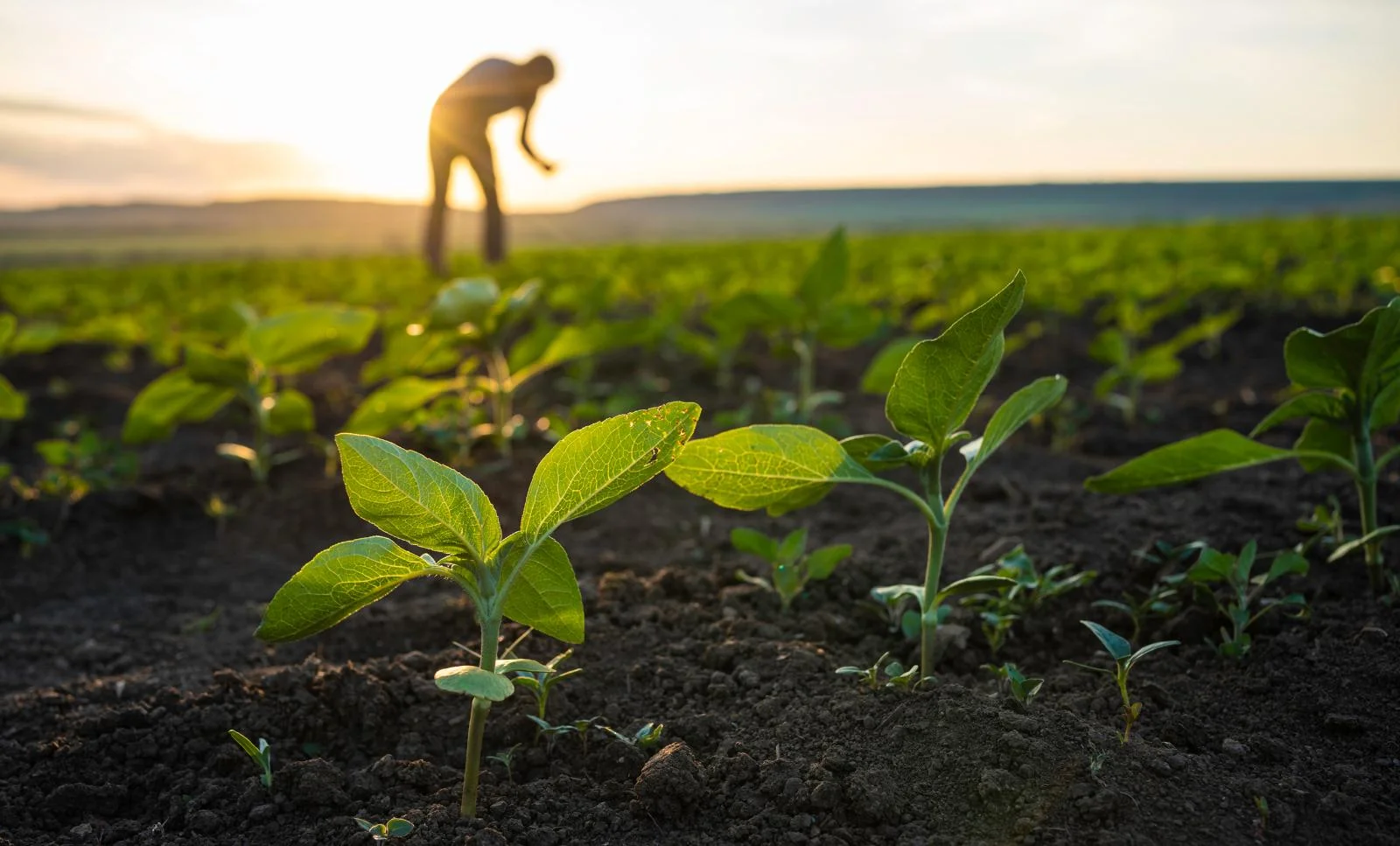
Mr. Minh, a coffee farmer in Đắk Lắk, spent nearly 15 million VND to buy 2 tons of biochar hoping to rehabilitate his barren plot. After three months of application, he was disappointed to find the soil still bone-dry, the coffee trees still yellowing, and the soil pH almost unchanged. "I think I was cheated; biochar does nothing," Mr. Minh shared in a farmers' group on Facebook.
Mr. Minh's story is not uncommon. Thousands of Vietnamese farmers are investing in biochar — pyrolyzed charcoal promoted as the "black gold" of soil restoration — but the results often fall short. The problem is not the quality of the biochar, but how it is used. According to a study by the Institute of Soil Science, over 60% of biochar users in Vietnam make at least one of five serious mistakes that render the product ineffective.
This article will help you identify and fix the five most common mistakes when applying biochar, thereby optimizing soil moisture retention and improving soil pH. If you are using or planning to use biochar, the information below will help you save millions of VND and many months of wasted waiting.
Why does applying Biochar leave the soil still barren and acidic, as if untreated?
Biochar is not a miracle cure that automatically turns poor soil into rich soil overnight. It is a soil amendment with a complex mode of action that requires the right conditions and application procedures. Many people mistakenly think that simply scattering biochar on the soil surface is enough.
In fact, biochar acts like a "skeleton" in the soil - it creates millions of microscopic pores capable of holding water, air, and nutrients. However, to realize this effect, biochar needs to be activated, applied at the correct rate, evenly mixed into the soil, and combined with other cultivation practices.
Here are the 5 most serious mistakes that farmers often make:
- Using biochar that has not been activated or charged with nutrients
- Application rate and frequency not suited to the soil type
- Uneven biochar mixing and incorrect incorporation depth
- Expecting biochar to improve pH immediately without combining other measures
- Ignoring biochar quality and feedstock source
Let's analyze each mistake in detail and how to fix them.
Mistake 1: Using biochar that has not been activated or charged with nutrients
Uncharged ("empty") biochar cannot retain water or immediately adjust pH
This is the most common mistake and the main reason many people are disappointed with biochar. When freshly produced, biochar is like an "empty house" with millions of pores but nothing inside. If applied directly to the soil, this biochar can even draw water and nutrients from the soil, causing crops to become stressed in the early stages.
The porous structure of biochar can have a surface area of up to 300–500 m²/g, but these "rooms" need to be "furnished" — that is, with microorganisms, organic matter, and minerals — before they can provide moisture retention and pH buffering effects.
Why biochar needs to be "charged" before being applied to the soil
The biochar activation process helps:
- Saturate the pores with water and nutrients, creating a reservoir for crops
- Create an environment for beneficial microorganisms to colonize and thrive
- Adjust the initial pH of the biochar, making it more compatible with the soil
- Reduce shock effects when biochar comes into contact with the root system
How to activate biochar properly
Below is an effective biochar activation recipe you can do at home:
Method 1: Soak in liquid organic fertilizer
- Ratio: 1 kg biochar + 3 liters water + 500 g well-rotted compost (or 200 ml liquid organic fertilizer)
- Mix thoroughly in a plastic bucket, cover tightly
- Duration: 7-14 days, stir every 2-3 days
- Signs it's ready: Biochar sinks completely in water and has a mild fresh-earth smell
Method 2: Mix with fresh manure
- Ratio: 1 part biochar + 2 parts fresh manure
- Pile into a heap, cover with a tarp or straw
- Moisten periodically, let it compost for 3-4 weeks
- Benefit: Biochar absorbs nutrients and microorganisms from the manure
Method 3: Soak in a microbial and mineral solution
- 1 kg biochar + 2 liters water + 50 ml microbial solution + 1 teaspoon soluble NPK
- Soak 5-7 days in a sealed container
- Suitable for small-scale use and home vegetable gardens
Minimum activation time and signs that biochar is ready
Biochar is considered activated when:
- Color: Glossy black, evenly moist
- Weight: 2–3 times heavier than the original dry biochar
- Odor: Scent of fresh soil or a mild composted manure aroma, not foul
- Sinking: When placed in water, the biochar sinks immediately instead of floating
Important note: Never apply dry biochar directly to the soil, especially during the dry season. This will make drought conditions worse for the first 2–3 months.
Mistake 2: Application rate and frequency not suited to the soil type
Under-application: Not enough to form a moisture-retaining network in the soil
Many farmers, "reluctant to spend," only apply a thin layer of biochar spread evenly on the surface. At rates below 1 kg/m² (equivalent to 10 tonnes/ha), biochar cannot form a sufficiently dense interconnected network to retain moisture effectively. As a result you may see some effect but it will be weak and not sustainable.
According to research at Đại học Nông Lâm TP.HCM, at least 15–20% biochar by volume in the cultivated soil layer is required to observe a noticeable improvement in moisture retention.
Over-application: Causes nutrient imbalance and economic waste
Conversely, some people think "the more the better" and over-apply. This leads to:
- Soil too porous: Roots don't anchor well, plants become prone to toppling
- Nutrient lockup: Biochar absorbs too much nitrogen and phosphorus, causing plant nutrient deficiencies
- Economic waste: Costs increase but effectiveness does not increase proportionally
- Sudden pH increase: If biochar is highly alkaline, it can over-alkalize the soil.
Recommended application rates by soil type
Below is a table of specific application rates based on soil type and intended use:
Sandy soil (fast drainage, poor moisture retention):
- Rate: 2-3 kg/m² (20-30 tons/ha)
- Incorporation depth: 15-25 cm
- Frequency: Apply once, supplement 0.5 kg/m² each year
- Objective: Increase water and nutrient retention
Loamy soil (balanced, moderate conditions):
- Rate: 1.5-2 kg/m² (15-20 tons/ha)
- Incorporation depth: 20-30 cm
- Frequency: Apply once, supplement 0.3 kg/m² every 2 years
- Objective: Improve structure and increase microbial activity
Clay soil (poor drainage, prone to compaction):
- Rate: 2.5-3.5 kg/m² (25-35 tons/ha)
- Incorporation depth: 25-35 cm
- Frequency: Apply once, supplement 0.5 kg/m² each year
- Objective: Improve drainage and porosity
Acidic soil (pH < 5.5):
- Rate: 2-2.5 kg/m² + lime powder
- Choose biochar with a high pH (8-9) made from hardwood
- Combine with 200-300 g lime powder/m²
Alkaline soil (pH > 7.5):
- Rate: 1-1.5 kg/m²
- Choose biochar with a low pH (6-7) made from rice husks
- Combine with sulfur or acidic organic fertilizer
Reapplication frequency and how to monitor effectiveness over time
Biochar is very durable in soil (hundreds of years), but its effectiveness will gradually decrease due to:
- Pores becoming clogged by clay and organic matter
- Microorganisms in the biochar need to be replenished
- Biochar being gradually washed down into deeper soil layers
Recommended supplementation schedule:
- Year 1: Apply the base dose as shown in the table above
- Years 2–3: No supplementation needed; just monitor
- Year 4: Supplement 20–30% of the initial dose
- Years 7–10: Supplement 50% of the initial dose
How to monitor effectiveness:
- Measure soil moisture with a moisture meter weekly
- Check soil pH every 3 months
- Observe leaf color and plant growth rate
- Compare yields with previous seasons
Mistake 3: Uneven biochar mixing and incorrect depth technique
Biochar concentrated on the surface is exposed to sunlight and dries out quickly
This is a "deadly" mistake that many make. They spread biochar on the soil surface and only lightly rake it in, leaving most biochar in the top 0–5 cm of soil. At this depth:
- High temperatures: Direct sunlight heats the biochar, causing rapid moisture loss
- Blown away by wind: Dry biochar is very light and easily carried away by wind
- Runoff: Heavy rain can wash biochar away with runoff
- No root contact: Most feeder roots are at depths of 10-30 cm and cannot take advantage of biochar
A study in the Mekong Delta found that surface-applied biochar loses up to 40-60% of its effectiveness compared to biochar evenly mixed into the soil.
Uneven mixing causes some areas of soil to benefit while others remain dry and barren
If mixed unevenly, you will see the phenomenon of "green patches, yellow patches" on the same bed. Areas with more biochar have healthier green plants and better moisture retention. Areas without biochar still have yellowing leaves and compact, dry soil.
This is particularly dangerous for crops with wide-spreading root systems like coffee, pepper, and durian. Roots develop unevenly, plants are more prone to stress, and yields decline.
Ideal depths for applying biochar for different types of crops
Short-duration crops (vegetables, flowers, strawberries):
- Mixing depth: 10-20 cm
- Method: Loosen the soil, spread biochar, mix 2-3 times
- Note: Concentrate biochar in the main root zone
Annual crops (corn, rice, tubers):
- Mixing depth: 15-25 cm
- Method: Combined plowing/tilling, or dig trenches for application
- Note: Mix evenly both horizontally and vertically
Perennial crops (coffee, pepper, citrus, durian):
- Mixing depth: 20-40 cm
- Method: Dig pits or trenches around the trunk, mix biochar with the excavated soil
- Note: Concentrate in the fine root zone (50-100 cm from the trunk)
Low fruit trees (guava, longan, lychee):
- Mixing depth: 25-35 cm
- Method: Dig circular trenches 60-80 cm from the trunk
- Note: Apply annually, gradually widening according to the canopy
Tools and methods for effectively mixing biochar into soil
Small garden scale (under 500 m²):
- Tools: Hoe, shovel, rake
- Method: Dig holes or trenches, manually mix biochar with the excavated soil at a 1:3 ratio, backfill
- Time: 2-3 days for 100 m²
- Advantages: Most uniform mixing, good depth control
Medium garden scale (500-2000 m²):
- Tools: Mini tiller, small plow
- Method: Spread biochar evenly, till twice in two perpendicular directions
- Time: 1 day for 500 m²
- Note: Moisten before tilling so the biochar doesn't blow away
Large farm scale (over 2000 m²):
- Tools: Turnover plow, specialized biochar spreader
- Method: Use a machine to spread biochar evenly, then plow to invert the soil layer
- Time: 1 day for 5000 m²
- Advantages: Fast, labor-saving
Tips for mixing biochar:
- Divide the area into 10x10 m plots, calculate the amount for each plot
- Mix biochar with sand or dry soil at a 1:1 ratio before spreading (easier to distribute evenly)
- Spread biochar when it's not windy, early morning or cool afternoon
- Lightly water immediately after spreading to help the biochar adhere to the soil
- Plow/till at least twice in two different directions
Mistake 4: Expecting Biochar to improve pH immediately without combining other measures
Biochar can help adjust pH but it takes time
This is the biggest misconception about biochar. Many people think that applying biochar to acidic soil (pH 4.5-5.0) will raise the pH to 6.0-6.5 within 1-2 weeks. The reality is completely different.
Biochar adjusts pH through the following mechanisms:
- Slow release of alkaline ions (K⁺, Ca²⁺, Mg²⁺) from ash in the biochar
- Adsorption of H⁺ ions (acidifying H⁺) into the pores
- Increased microbial activity metabolizing organic compounds, regulating pH
- Improves CEC (cation exchange capacity), helping soil stabilize pH better
All of these processes occur very slowly, typically taking 3-6 months to see noticeable pH changes (0.5-1.0 units). Some cases require up to 12 months.
It's a mistake to rely solely on biochar while overlooking agricultural lime, organic fertilizers, or sulfur
If your soil pH is too low (< 4.5) or too high (> 8.0), using only biochar is not enough. You need to combine it with fast-acting pH amendments:
For acidic soils (pH < 5.5):
- Agricultural lime (CaCO₃): Raises pH quickly in 2-4 weeks
- Quicklime (CaO): Acts extremely quickly (1 week) but can be easily 'over-applied'
- Well-composted organic fertilizer: Provides a mild and long-lasting pH increase
- Rice husk ash: Raise pH and add potassium
For alkaline soils (pH > 7.5):
- Elemental sulfur: Lowers pH slowly but sustainably (2-3 months)
- Fresh farmyard manure: Slightly lowers pH during decomposition
- Acid ammonium fertilizer (NH₄): Lowers pH quickly but temporarily
- Pine sawdust: Lowers pH and improves structure
How to combine biochar with other pH amendments to accelerate effectiveness
Protocol for acidic soil (pH 4.5-5.5):
Step 1 (Weeks 1-2):
- Apply powdered lime: 200-300 g/m² (2-3 t/ha)
- Lightly till, water, wait 1-2 weeks
- Goal: Raise pH to 5.5-6.0
Step 2 (Weeks 3-4):
- Apply activated biochar: 2-2.5 kg/m²
- Mix evenly with the previously applied lime
- Supplement with organic fertilizer: 3-5 kg/m²
Step 3 (Months 2-6):
- Monitor pH monthly
- Apply light lime top-up (50-100 g/m²) if pH remains low
- Biochar will help stabilize pH at 6.0-6.5
Protocol for alkaline soil (pH 7.5-8.5):
Step 1 (Week 1):
- Sulfur application: 100-150 g/m² (1-1.5 tons/ha)
- Loosen and mix evenly, irrigate
Step 2 (Weeks 2-3):
- Apply rice husk biochar (low pH): 1.5-2 kg/m²
- Mix with fresh manure: 4-6 kg/m²
Step 3 (Months 2-4):
- Monitor pH every 2 weeks
- Supplement sulfur if needed
- Biochar helps maintain a stable pH of 6.5-7.0
Periodic soil pH monitoring: Tools and measurement frequency
pH measurement tools:
- Litmus paper pH test kit: 50,000-100,000 VND, accuracy ±0.5, suitable for basic monitoring
- Electronic soil pH meter: 300,000-800,000 VND, accuracy ±0.2, easy to use
- Professional pH meter: 2-5 million VND, accuracy ±0.1, for large farms
- Soil analysis service: 200,000-500,000 VND/sample, most detailed results
pH measurement frequency:
- Months 1-3 after biochar application: Every 2 weeks
- Months 4-6: Monthly
- After 6 months: Every 3 months or at the start of each crop season
How to measure pH accurately:
- Collect soil samples from 5-7 different points, at a depth of 10-20 cm
- Mix the samples thoroughly, remove stones and roots
- Air-dry naturally or lightly oven-dry
- Mix soil with distilled water at a ratio of 1:2.5
- Let sit for 30 minutes, stir well, measure pH
- Record the results and sampling locations
Mistake 5: Ignoring biochar quality and feedstock origin
Not all biochar is the same
This is the most dangerous mistake because it determines the success or failure of the entire process. Many people only pay attention to the low price and don't check the quality, leading to buying 'fake biochar' or low-quality biochar.
The quality of biochar depends on three main factors:
1. Raw materials:
- Hardwood (acacia, eucalyptus): Hard, durable biochar, high pH (8-9), good moisture retention
- Softwood (pine, melaleuca): Soft biochar, medium pH (7-8), easily crumbles
- Rice husk: Lightweight biochar, low pH (6-7), rich in silica, good drainage
- Sawdust: Fine biochar, low pH, decomposes faster
- Rice husks, straw: Low-quality biochar, easily dispersed
2. Pyrolysis temperature:
- 300-400°C: Immature biochar, still contains much organic matter, decomposes easily, low pH
- 450-550°C: Optimal biochar, balanced porosity and durability, pH 7-8
- 600-700°C: Hard biochar, highly stable, high pH (8-9), low in nutrients
- Above 800°C: Nearly pure charcoal, loses all nutrients, very high pH
3. Production process:
- Slow pyrolysis: High quality, uniform pores, few impurities
- Fast pyrolysis: Lower quality, high ash content, uneven
- Open burning: Many impurities, flying ash, PAHs (carcinogenic compounds)
Biochar from wood vs. biochar from rice husk/sawdust: Differences in moisture retention and pH
Biochar from hardwood:
- Moisture retention: Very good (150-250% of dry weight)
- pH: 8.0-9.5 (strongly alkaline)
- Durability: 500-1000 years in soil
- Applications: Sandy soils, acidic soils, perennial crops
- Price: 3,000-5,000 VND/kg
- Advantages: Long-lasting effectiveness, improves soil structure
- Disadvantages: High cost, requires long activation time
Rice husk biochar:
- Moisture retention: Moderate (80-120% of dry weight)
- pH: 6.5-7.5 (near neutral)
- Durability: 200-300 years in soil
- Applications: Clay soil, alkaline soil, short-duration crops
- Price: 1,500-2,500 VND/kg
- Advantages: Low cost, rich in silica, good drainage
- Disadvantages: Shorter effectiveness, prone to crumbling
Biochar from sawdust:
- Moisture retention: Good (120-180% of dry weight)
- pH: 6.0-7.5 (neutral to slightly alkaline)
- Durability: 300-500 years
- Applications: Versatile, suitable for many soil types
- Price: 2,000-3,500 VND/kg
- Advantages: Balance between price and quality
- Disadvantages: Inconsistent quality
Signs of low-quality biochar
Warning: Avoid these types of biochar:
-
Light gray, lots of white ash:
- Sign: Overfired or mixed with fly ash
- Consequence: Too high pH, few pores, poor moisture retention
-
Foul, sour, or burnt smell:
- Sign: Incomplete firing, containing harmful organic compounds
- Consequence: Toxic to plant roots, inhibits growth
-
Unusually wet and heavy:
- Sign: Water or foreign substances added to increase weight
- Consequence: Waste of money, low effectiveness
-
Too finely crumbled, like powder:
- Sign: Overfired or ground too finely
- Consequence: Prone to dusting and washing away, does not retain structure
-
Floats on water, does not sink:
- Sign: Pores are clogged or coated with wax/oil
- Consequence: Does not absorb water, useless
-
Unusually low price (below 1,000đ/kg):
- Sign: May be coal ash or mixed with impurities
- Consequence: Wastes money and effort, may even damage the soil
Criteria for choosing high-quality biochar
Biochar inspection checklist before purchase:
☑ Color: Deep black, uniform, without gray ash
☑ Structure: Visible wood/husk grain; porous and hollow, lightweight
☑ Smell: No odor or a faint smoky scent; not unpleasant
☑ Water test: When submerged in water, sinks gradually after 5–10 minutes
☑ Break test: Breaks into medium-sized pieces; does not turn into powder
☑ Origin: Clear, includes manufacturer information
☑ Documentation: Has test report or certification (if available)
☑ pH: In the range 6.5-9.0 (measured with litmus paper)
☑ Price: Reasonable (1,500-5,000 VND/kg depending on type)
☑ Packaging: Sealed, dry, with complete labeling
Trusted sources to buy biochar:
- Local agricultural cooperatives
- Reputable agricultural supply stores
- Direct biochar manufacturers
- Avoid buying from unclear/unknown online sources
Proper biochar application process to optimize moisture retention and improve pH
After understanding the 5 common mistakes, here is the standard 5-step process for applying biochar effectively:
Step 1: Check the current soil condition
Measure soil pH:
- Collect soil samples from 5-7 locations, at a depth of 15-20 cm
- Measure pH with a meter or litmus paper
- Record the results for each point
Check moisture:
- Observe: Is the soil dry and hard or moist and soft?
- Measure with a moisture meter if available
- Assess water retention after watering
Determine soil structure:
- Hand squeeze test: Sandy (crumbly), loam (lightly clumping), clay (sticky and compact)
- Observe drainage after rain
Analyze needs:
- What does the soil need to improve: moisture retention, drainage, pH?
- Crop type and soil requirements?
- Budget and scale?
Step 2: Choose and activate the appropriate biochar
Choose the type of biochar:
- Sandy soil, acidic soil → Hardwood biochar (high pH)
- Clay soil, alkaline soil → Rice husk biochar (low pH)
- Loam soil → Sawdust biochar (balanced)
Biochar activation:
- Apply one of the three methods described in Part II
- Minimum time: 7 days
- Check the biochar is ready before application
Step 3: Calculate dosage and plan application
Calculation formula:
- Area (m²) x Rate (kg/m²) = Total biochar required
- Example: 500m² x 2kg/m² = 1000kg = 1 ton
Planning:
- Application timing: 2–4 weeks before planting
- Combine with: Lime, organic fertilizer, manure
- Prepare tools: Shovel, hoe, plow/tiller (if available)
Step 4: Mix evenly and water after application
Mixing procedure:
- Spread lime/sulfur (if needed) → wait 1 week
- Spread the activated biochar evenly over the soil surface
- Lightly water so the biochar adheres to the soil
- Plow/till to mix evenly, depth according to crop type
- Plow/till a second time in a perpendicular direction
- Level the surface, form beds/planting holes
Watering after application:
- Water thoroughly immediately after mixing
- Maintain moisture for the first 1-2 weeks
- Helps biochar stabilize and supports microbial growth
Step 5: Monitor and adjust after 1, 3, and 6 months
After 1 month:
- Measure pH: Has it changed?
- Observe moisture: Is the soil retaining moisture better?
- Check the plants: Any signs of healthy growth?
- Adjust: Add lime/sulfur if pH hasn't reached the target
After 3 months:
- Measure pH again: Assess trend of change
- Compare moisture with the plot that did not receive biochar
- Evaluate plant growth: Height, leaf color, yield
- Record: Save the results for reference
After 6 months:
- Evaluate overall effectiveness
- Decision: Is additional biochar needed?
- Calculate economic efficiency: Costs vs benefits
- Plan long-term: Apply supplements annually
Case study: Real successes and failures when using Biochar
Successful example: A coffee farm in Đắk Lắk improved moisture by 40% after 6 months
Project information:
- Farm owner: Mr. Nguyễn Văn Thành, Cư M'lan commune, Đắk Lắk
- Area: 2 ha of 5-year-old Robusta coffee
- Problem: Degraded red basalt soil, dry and compacted, pH 4.8, yellowing leaves, low yields
- Timeframe: March 2022 - September 2022
Solution applied:
- Soil test: pH 4.8, average moisture 15% (very low)
- Selected acacia wood biochar (pH 8.5), activated with cattle manure for 14 days
- Dosage: 25 tons of biochar + 10 tons of lime powder + 50 tons of manure
- Method: Dig ring-shaped trenches 60 cm from the trunk, 30 cm deep, mix evenly
- Drip irrigation every 3 days
Results after 6 months:
- pH increase: From 4.8 to 5.8 (increase of 1.0 unit)
- Moisture: Increased from 15% to 25% (increase of 40%)
- Leaf color: Shifted from pale yellow to dark green
- Yield: Expected to increase 30% in the next season (from 2.5 tons/ha to 3.2 tons/ha)
- Water savings: Reduced irrigation water by 40%
- Cost: 120 million VND (60 million for biochar + 30 million for lime/fertilizer + 30 million labor)
- Expected ROI: Payback after 2 harvests
Key success lessons:
- Thoroughly activate biochar before application
- Combine biochar + lime + organic fertilizer to accelerate effectiveness
- Mix evenly and at the correct depth (30cm)
- Be patient and wait 6 months to see clear results
- Combine with drip irrigation to optimize effectiveness
Failure example: The organic vegetable garden in Đà Lạt was ineffective due to improper application
Project information:
- Garden owner: Ms. Trần Thị Lan, Ward 5, Đà Lạt
- Area: 500 m² of lettuce and napa cabbage
- Problem: Sandy loam soil, drains too quickly, requires watering twice a day
- Timeframe: November 2022 - February 2023
Applied solution (INCORRECT):
- Purchased 200 kg of cheap biochar (800 VND/kg) from an unknown source
- Not activated, spread directly on the soil surface
- Dosage: 0.4 kg/m² (too little; should be 2 kg/m²)
- Only lightly tilled to 5 cm, not mixed in deeply
- Not combined with lime or organic fertilizer
- Planted vegetables after 3 days
Results after 3 months:
- Moisture: No improvement; still had to water twice a day
- pH: No change (still 6.2)
- Vegetables: Growth showed no difference compared to the unfertilized plot
- Biochar: Mostly blown away or washed away
- Waste: 160,000 VND for biochar + 500,000 VND for application labor
Analysis of reasons for failure:
- Mistake 5: Bought low-quality biochar, price was too cheap (possibly coal ash)
- Mistake 1: Not activated; 'empty' biochar drew water from the soil
- Mistake 2: Application rate too low (only 20% of recommended)
- Mistake 3: Incorporated too shallowly (5 cm instead of 15–20 cm), biochar was blown away
- Mistake 4: Not combined with organic fertilizer; expected immediate effect
Lessons learned:
- Do not buy unusually cheap biochar
- Activate biochar before applying
- Dosage must be sufficient as recommended
- Mix deeply and evenly; don't just spread it on the surface
- Be patient and wait at least 3 to 6 months
Compare the two cases
| Factors | Success (Đắk Lắk) | Failure (Đà Lạt) |
|---|---|---|
| Biochar quality | High (acacia wood) | Low (unknown source) |
| Activation | Yes (14 days) | No |
| Dosage | Adequate (12.5 kg/m²) | Insufficient (0.4 kg/m²) |
| Mixing depth | Correct (30 cm) | Incorrect (5 cm) |
| Combination | Lime + organic fertilizer | No |
| Waiting period | 6 months | 3 months |
| Results | Increased moisture by 40% | No change |
Conclusion: Biochar is effective when used correctly
Biochar really is a "black gold" with an amazing ability to rehabilitate soil - but only when you know how to use it correctly. In this article, we have analyzed the five most serious mistakes that cause biochar to lose its effectiveness:
Summary of the 5 mistakes to avoid:
-
Using unactivated biochar - Remember to "charge" the biochar by soaking it with organic manure and microbes for at least 7-14 days before application.
-
Incorrect dosage - Apply 1.5-3 kg/m² depending on soil type; do not underapply or overapply.
-
Uneven mixing and shallow incorporation - Incorporate biochar to a depth of 15-40 cm depending on crop type, ensuring even distribution in the cultivated soil layer.
-
Expecting instant results - Biochar requires 3-6 months to take effect on pH adjustment; combine with lime/sulfur to speed up the process.
-
Purchasing poor-quality biochar - Choose biochar from reputable sources; check color, odor, structure, and pH carefully before buying.
Long-term benefits when applying biochar correctly:
When applied correctly, biochar provides sustainable benefits:
- Increases moisture retention by 30-50%, reducing irrigation frequency and saving water
- Improves pH by 0.5-1.5 units over 6-12 months, maintaining long-term stability
- Increases yield by 20-40% by improving the root environment and nutrient availability
- Reduces chemical fertilizer use by 30-50% because biochar retains nutrients better
- Improves soil structure long-term (hundreds of years); a one-time investment for lasting benefits
- Increases soil carbon, contributing to climate change mitigation
Final tip: Be patient and monitor progress to see lasting results
Biochar is not a 'miracle' solution for all soil problems, but it is an extremely powerful tool when used correctly. Remember:
- Don't rush to judge If it's only been 1–2 months, wait at least 6 months
- Monitor regularly pH, moisture, and plant growth to make timely adjustments
- Combine with other practices such as organic fertilizers, water-saving irrigation, and crop rotation
- Learn from experience of those who came before, and share your own experience
Investing in biochar is an investment in the sustainable future of your land. With a cost of 2–5 million VND/1000 m², you can rehabilitate soil for decades, increase yields, and significantly reduce production costs.
Call to action:
Have you used or are you currently using biochar? Share your experience in the comments below! What questions, concerns, or difficulties are you facing? Let's discuss together to find the best solution for your land.
If this post is useful, don't forget to share it with friends and family in agriculture so they can avoid costly mistakes. Let's build a community of farmers using biochar effectively, sustainably, and successfully!